
Explore the Cutting – Edge World of PCB Technology!
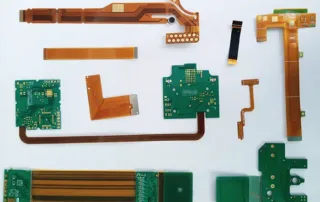
Research on the process of PI protective film for R-FPCB
Rigid-flex printed circuit boards (R-FPCBs) are composite boards formed by pressing rigid and flexible layers together, combining the characteristics of both. With the advancement of the printed circuit board (PCB) industry, R-FPCBs—as a vital component of PCBs—have seen growing demand due to their high performance, integration capabilities, and versatility in 3D assembly. With the rapid advancement of RFPCB technology, customer[...]
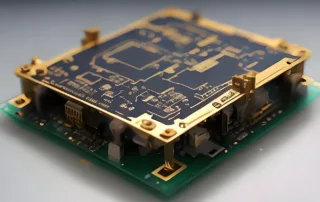
PCB Surface Finish Types Explained: Best Options for Flexible PCBs
Introduction: Why Surface Finish Matters in PCB Fabrication Every circuit board requires protection for its copper traces. Without a reliable finish, exposed copper quickly oxidizes, reducing electrical conductivity and making soldering nearly impossible. This is why PCB surface finishes are a critical step in PCB fabrication. Surface finishes serve as a protective layer. They create a flat surface for attaching[...]
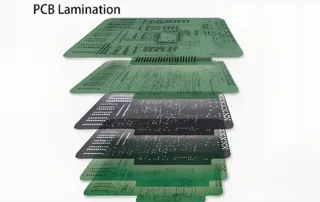
PCB Lamination Process Explained: From Rigid Boards to Flex PCB Manufacturing
PCB Lamination Process Explained: From Rigid Boards to Flex PCB Manufacturing Introduction: Why Lamination Matters in PCB Fabrication Lamination is a key step in making PCBs. It affects how strong and well the finished PCB works. The lamination process is key to making multilayer boards. This includes both rigid boards and flexible circuit boards. It determines how well the[...]
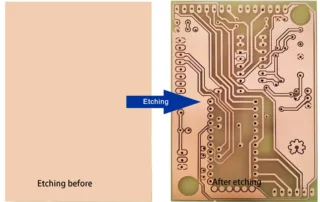
PCB Etching Process: Flexible PCB & Rigid Flex Manufacturing
PCB Etching Process: Flexible PCB & Rigid Flex Manufacturing Introduction The etching task in PCB design is one of the most important steps in making printed circuit boards. It directly influences the precision of the circuit trails, hence performance, as well as the life of the end product. Accurate etching is important. It is used to create a standard[...]
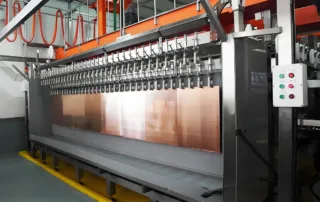
PCB Copper Plating Process for Reliable Conduction
Introduction Copper plating plays a crucial role in the production of PCBs. It ensures good electrical connections and strong mechanical support for printed circuit boards. These will create strong and stable traces. You can trust their quality even after bending or heat treatment. The copper plating process for flexible PCBs is like that for rigid PCBs. This article focuses on[...]
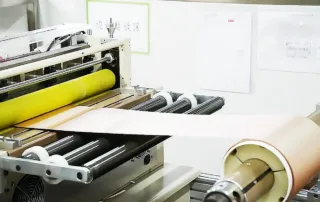
Flexible PCB Material Preparation: Cutting process
Introduction Flexible materials come in rolls. The material is cut to the needed size based on the MI size Material preparation is the first and critical step in any flex PCB manufacturing process.Proper material preparations reduce defects in later steps.This guide focuses on cutting and cleaning.It explains materials, methods, controls, and best practices.Engineers and procurement teams will find practical, actionable[...]