What is FPC in Mobile? (FAQ Guide)
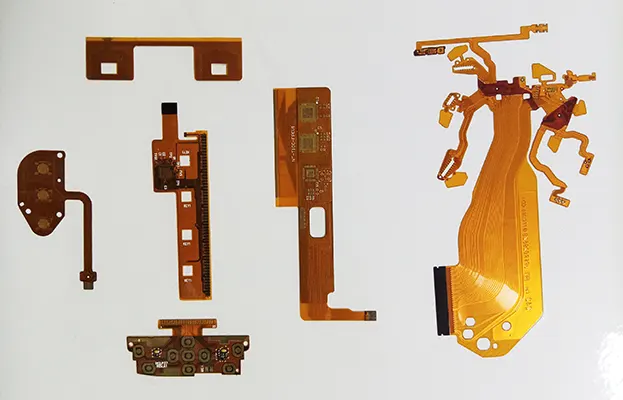
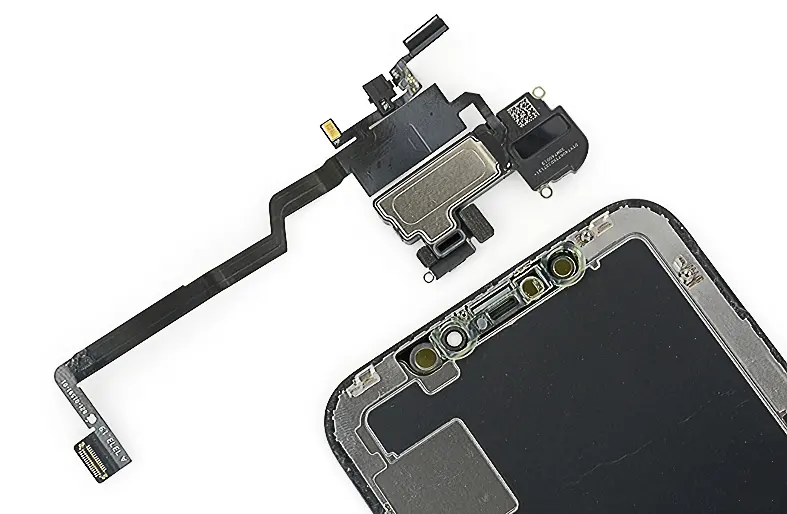
FPC in mobile phones refers to flexible printed circuits (FPCs). These flexible circuits are essential components in modern mobile devices, offering a lightweight and compact alternative to traditional wiring. The more compact, lighter, and slimmer design makes them beneficial for smartphone users. They help deliver high performance and efficient power.
Learn more about the other page!
1. What does FPC refer to in mobile phones?
FPC in mobile phones refers to Flexible Printed Circuits.
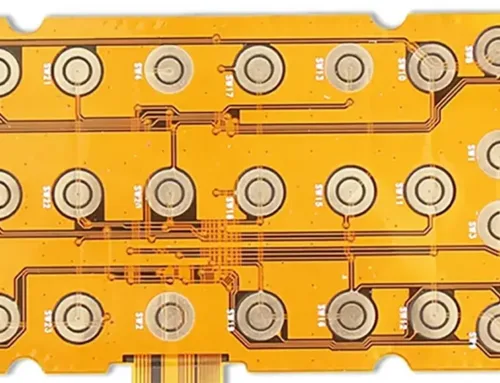
Thin and Lightweight circuits have many significant differences when compared with outer circuits. Their miniature, flexible, slender, and lightweight nature is well-suited for smart devices, such as smartphones and other compact machines.
FPCs form elegant junctions between various parts of the phone, reducing the need for bulky wires and conserving space.
2. Where is FPC Used in Mobile Phones?
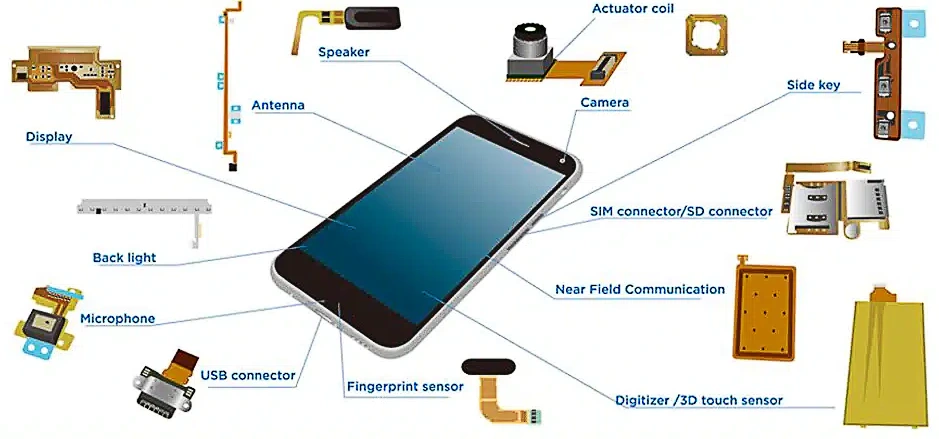
FPCs are found in nearly every part of a modern smartphone, including:
- Display & Touchscreens: Connecting the motherboard to high-resolution, ultra-thin OLED and LCD screens.
- Camera Modules: Enabling high-quality image transmission between the sensor and processing unit for sharp photos and videos.
- Battery Connections: Ensuring efficient power delivery between the battery, motherboard, and charging circuits.
- Fast Charging Interfaces: Supporting high-density electrical connections for rapid energy transfer.
- Fingerprint Sensor – Enabling the rapid and convenient biometric identification necessary for unlocking devices and making payments.
- Antenna Systems – Improving the interference mitigation capabilities for more efficient 5G, Wi-Fi, and Bluetooth communications.
- Speaker & Microphone Modules – Delivering clear and high-quality sound reproduction for calls, recordings, and other media applications.
- Haptic Feedback Systems – Powering vibration motors for touch response in gaming and notifications.
- Hinge FPC for Flip Phones – This explains the folding mechanism in flip and foldable phones. It ensures smooth data flow while allowing the phone to bend many times.
3. How Does an FPC Connector Work in Mobile Phones?
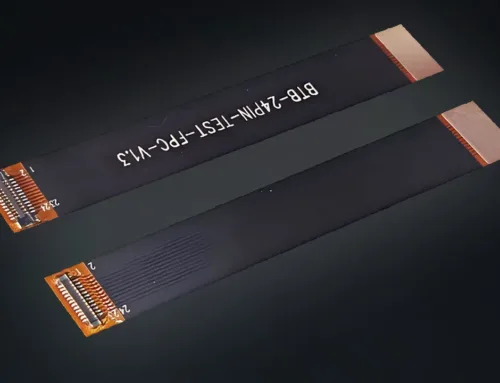
FPCs are reliant on designated FPC connectors for attachment to the phone’s motherboard. These connectors ensure reliable circuit connections and support high-density electrical connections between phone components.
Types of FPC Connectors in Smartphones
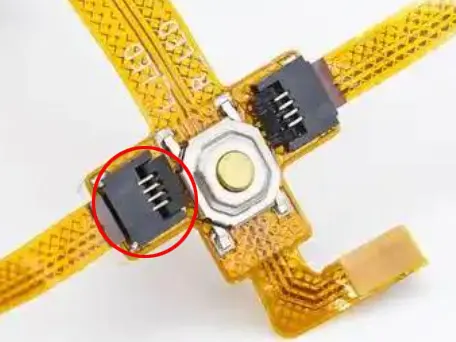
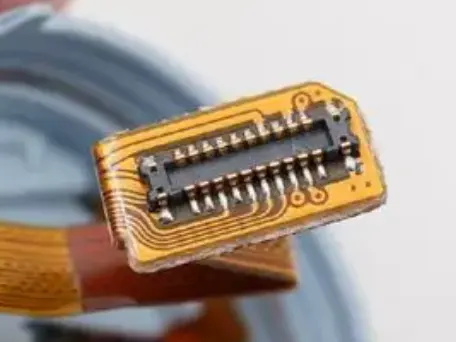
ZIF Connector BTB Connector
- BTB (Board-to-Board) Connectors: Provide high-speed, high-density electrical connections between phone components.
- ZIF Connectors: These connectors lessen the effort needed to attach or detach an FPC, resulting in less damage overtime.
📌 Why are FPC connectors important?
- Ensure excellent electrical performance without signal loss.
- Optimize space usage in ultra-thin smartphone designs.
What is the ZIF Connector? What is the BTB Connector?
4. Why Are FPCs Better Than Traditional Wiring in Smartphones?
Using flexible circuits instead of rigid wiring provides several key advantages:
- Space Efficiency: FPCs fit into tight spaces, enabling innovative smartphone designs.
- Less Strain on Signals: Direct and short connections lessen the chances of resistance and interference electronically.
- Faster Production & Assembly: FPCs simplify mass production, lowering production costs.
- Better Thermal Management: Crucial for high-performance applications like fast charging.
5. Can FPCs Affect the Performance of Mobile Cameras?
Yes. In high-end phone cameras, FPCs ensure rapid signal transmission from the sensor to the image processor, directly impacting:
- Autofocus speed: A well-optimized FPC can improve focusing time.
- Captura de video en alta definicion: La alta velocidad de la transmitecion de datos, minimiza el retardo y el ruido en las grabaciones en 4k y 8k.
6. How Does FPC Contribute to Fingerprint Sensor Accuracy?
Fingerprint sensors depend on stable, interference-free data transmission. FPCs help by:
- Maintaining signal integrity, preventing errors during fingerprint scanning.
- Supporting ultra-thin integration, making in-screen sensors possible.
- Improving durability, ensuring long-term sensor reliability.
7. What Are FPCs Made Of?
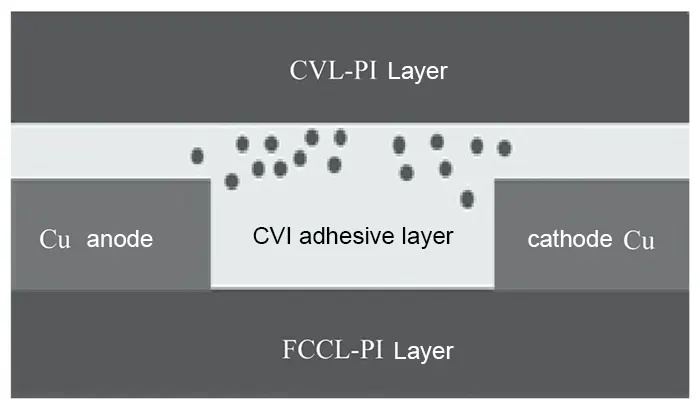
FPCs are constructed using:
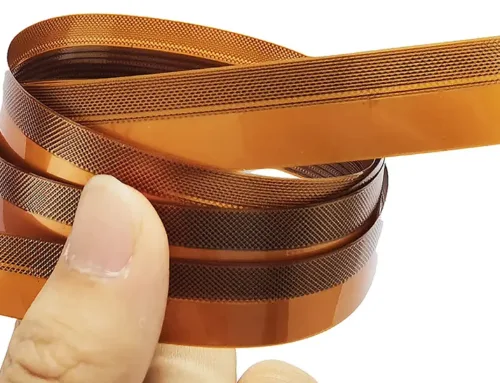
- Polyimide Films: A heat-resistant, flexible base material.
- Copper Foils: Enables high-performance signal transfer.
- Protective Layers: Guards against moisture, dust, and mechanical abuse.
8. How Will FPCs Shape Future Mobile Technology?
As smartphones evolve, FPC technology will advance alongside them. Future developments include:
- Ultra-thin, high-speed FPCs for 6G connections.
- Improved folding hinge FPCs for next-generation foldable smartphones.
- Improved thermal-resistant FPCs for ultra-fast charging.
- “Green” FPC materials: Mitigating electronic waste and supporting sustainable mass production.
Conclusion: Why FPC Are Essential for Mobile Devices
From rapid charging to biometric login, FPCs control almost every feature of smartphones. Their Flexibility, strength, and effectiveness are fundamental to the design of mobile phones.
If you’re looking for reliable mobile FPC solutions, explore our latest FPC products today!
For more detailed information:
FAQ:
1. What does FPC mean in mobile phones?
In mobile phones, FPC refers to Flexible Printed Circuits—thin, lightweight, and bendable electronic circuits made from polyimide and copper. They replace bulky wiring and allow smartphones to be slimmer, lighter, and more power-efficient by connecting components in compact spaces.
2. Where are FPCs used inside a smartphone?
FPCs are used throughout nearly every part of a modern phone, including:
Displays & touchscreens (OLED/LCD)
Camera modules
Battery and charging circuits
5G/Wi-Fi/Bluetooth antennas
Fingerprint sensors
Speakers, microphones & haptic motors
Motherboard interconnects
Hinge mechanisms in foldable phones
Their flexibility allows phones to achieve high performance in very small internal spaces.
3. How do FPC connectors work in mobile phones?
FPCs attach to the motherboard through specialized connectors that create secure, high-density electrical connections.
The main types are:
ZIF (Zero Insertion Force) connectors: Easy to insert/remove without damaging the FPC.
BTB (Board-to-Board) connectors: Provide high-speed, high-density connections for critical components.
These connectors ensure stable performance, low signal loss, and efficient space usage in ultra-thin phone designs.
4. Why are FPCs better than traditional wiring in smartphones?
FPCs offer several advantages over rigid wires:
Space savings for ultra-slim designs
Lower signal loss due to shorter, direct routing
Faster assembly and easier mass production
Better heat resistance, essential for fast charging and high-performance chips
These benefits make FPCs the preferred interconnect solution in modern mobile devices.
5. Do FPCs affect mobile camera performance?
Yes. FPCs play a direct role in smartphone camera performance by enabling:
Faster data transmission from the sensor to the processor
Quicker autofocus response
Reduced noise and delay in 4K/8K video capture
A high-quality camera FPC improves image clarity, responsiveness, and overall photo/video quality.
6. How does the FPC improve fingerprint sensor accuracy?
FPCs enhance fingerprint sensor performance by:
Maintaining stable and interference-free signal transmission
Supporting ultra-thin integration, especially in in-screen sensors
Ensuring long-term durability under repeated use
This results in faster unlocking, fewer read errors, and a more reliable biometric experience.