
In recent years, with the rapid development of the intelligent connected vehicle industry, the demand for flexible printed circuit boards (FPCBs) has continued to grow.
Statistics indicate that each smart connected vehicle utilizes over 100 FPCBs.
Driven by modern market demands, FPCBs are increasingly replacing rigid circuit boards in fields such as low-altitude aircraft and military applications.
This shift enables high reliability and advanced technical functionality, further propelling the FPCB industry toward high-end and specialized development.
The primary characteristics of high-current-carrying shielded flexible circuit boards are based on traditional FPCBs, integrating three key elements: “flexibility,” “thick copper traces,” and “shielding capability.”
This enables such boards to withstand bending, carry high currents with thick copper, and shield against interference.
Traditional FPCBs feature relatively thin copper layers, with their manufacturing processes being relatively mature.
However, achieving a copper layer thickness of≥105 μm, combined with shielding layers, presents new manufacturing challenges.
This paper investigates and analyzes the key manufacturing techniques for a specific FPCB product (featuring stepped thick copper traces and shielding layers, with copper thickness transitioning from 245 μm to 105 μm) used in a brand of smart connected vehicles.
The goal is to achieve efficient production of high-current-carrying, high-shielding flexible circuit boards.
Analysis of Influencing Factors
Design Considerations for Thick Copper and High Current Carrying Capacity
According to the standard “T/CPCA 1001—2022 Electronic Circuit Terminology” published by the China Electronic Circuit Industry Association, a thick copper printed circuit board (PCB) is defined as a board with conductor copper thickness exceeding 105 μm (3 oz).
The primary reasons for adopting thick copper in circuit design are listed in Table 1.
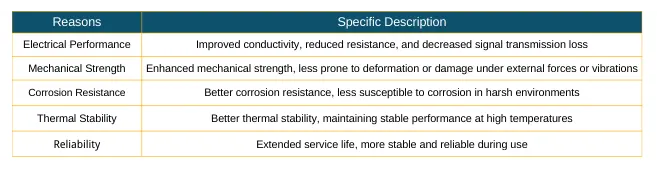
Table 1: Primary Reasons for Using Thick Copper in Circuit Design
Thick copper traces in high-current-carrying, high-shielding flexible printed circuit boards (FPCBs) primarily achieve electrical performance, specifically the capability for “high current-carrying capacity.” The expression for the loadable current I is as follows:
I = U/R = US/ρL = Uwh/ρL (1)
Where:
- I is the current carrying capacity, A;
- U is the voltage, V;
- R is the resistance, Ω;
- S is the cross-sectional area of the trace, m²;
- ρ is the resistivity, Ω·m;
- L is the trace length, m;
- w is the trace width, m;
- h is the trace thickness, m.
Equation (1) indicates that the proposed flexible high-current high-shielding circuit board employs a stepped thick copper trace design transitioning from 245 μm to 105 μm, further increasing manufacturing complexity.
High-Shielding Design
Flexible high-current-carrying, high-shielding FPCBs are primarily used within electronic modules, requiring shielding to mitigate unwanted radiation from parasitic inductance or stray capacitance generated by the circuit patterns. Therefore, shielding layers must be designed and fabricated for such FPCBs[1].
Traditionally, shielding functions on PCBs are achieved by designing ground planes around soldered components or by incorporating dedicated shielding modules like shielding covers or cages.
However, these approaches struggle structurally to meet the demands of increasingly miniaturized and thinner electronic modules.
Directly forming shielding layers on FPCBs requires consideration not only of shielding effectiveness but also of factors like thickness and cost. Increased thickness impedes bending, requires larger bending angles, and may cause mechanical failures and reliability issues while raising costs.
Additionally, this shielding layer design increases the number of FPCB layers.
Characteristics of various typical shielding materials are shown in Table 2.
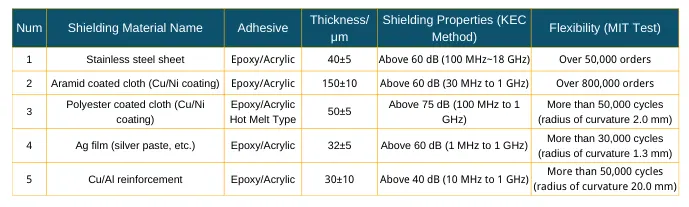
Table 2: Properties of Several Typical Shielding Materials
As shown in Table 2, different shielding materials exhibit distinct properties. Considering the overall board thickness tolerance requirements and the complexity of manufacturing the high-current-carrying, high-shielding FPCB with thick copper, the team adopts silver paste printing technology to fabricate the shielding layer.
Structural Analysis
Figure 1 shows the structure of the flexible high-current, high-shielding FPCB, and Table 3 lists its key parameters.
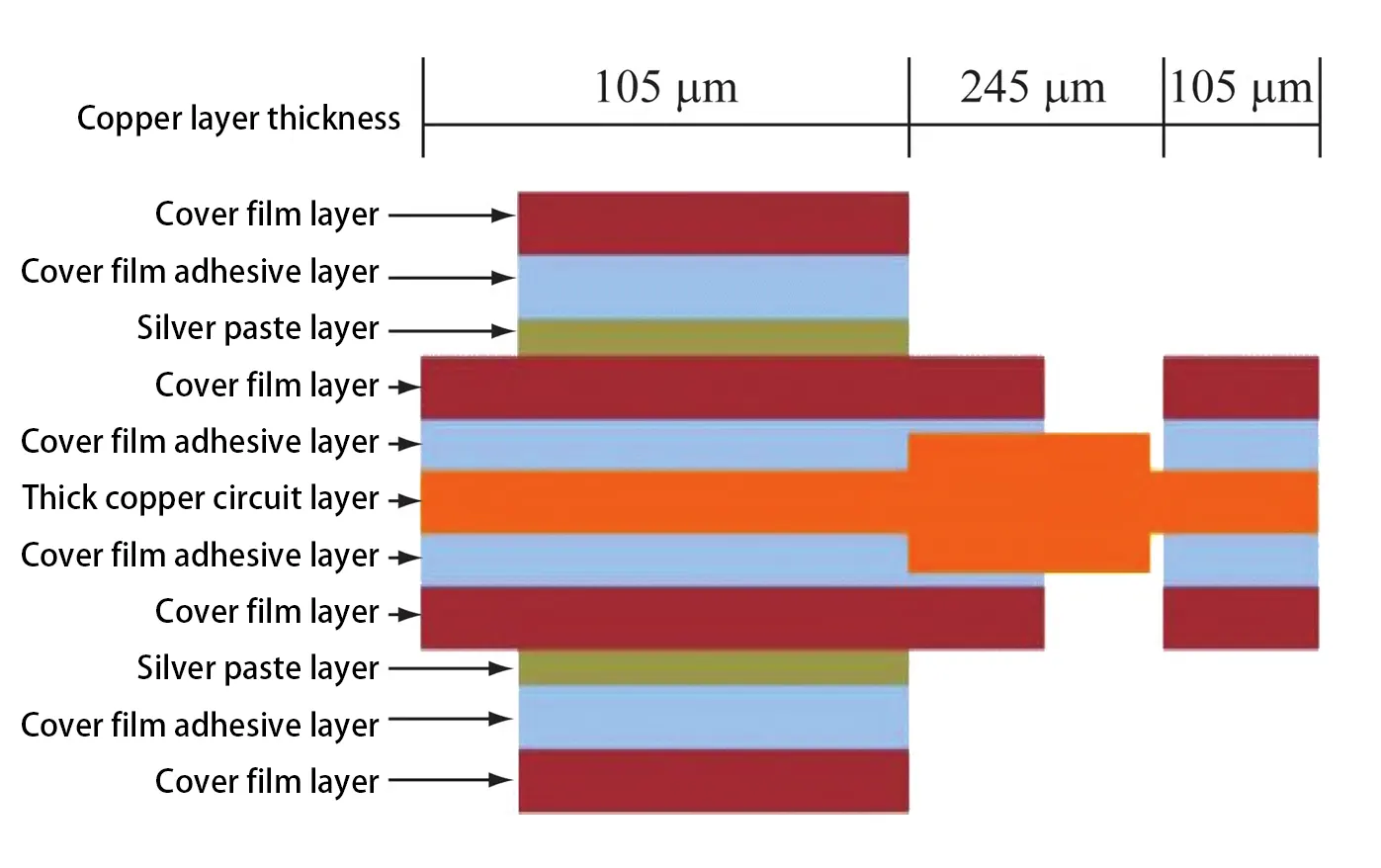
Figure 1: Structure of flexible high high-current-carrying carrying, highly shielded circuit board
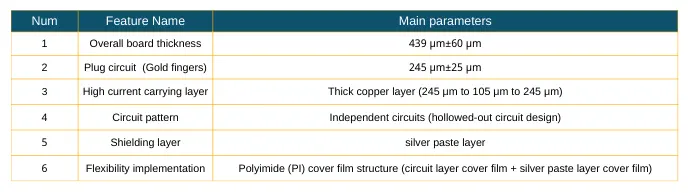
Table 3: Key Parameters of Flexible High Current Carrying High Shielding Circuit Boards
As evident from Figure 1 and Table 3, the primary manufacturing challenges for the product under study include: producing thick copper high-current openwork traces, step-type thick copper high-current traces, and overlaying thick copper traces and silver paste shielding layers with cover films.
Key Technical Solutions
Manufacturing Thick Copper High-Current Openwork Traces
◊ Challenge Analysis
The circuit patterns of this product feature mutually independent openwork designs. Direct processing risks causing the circuits to collapse due to the absence of a support layer. Therefore, designing a support layer or transition layer during circuit pattern processing is particularly critical.
For a 245 μm (7 oz) copper thickness design, employing direct single-side etching technology would result in significant side etching and a low etch factor.
Additionally, the “pooling effect” requires using substantial amounts of etchant during processing, which increases both costs and environmental impact.
Furthermore, in direct single-sided etching, applying the resist film to one side first can cause bubbles or voids when applying the film to the second side due to significant height differences in the circuit patterns[2].
◊ Manufacturing Method
To process hollow thick copper circuit patterns, the team adopts the conventional process flow: etch half the copper thickness of the circuit pattern, laminate the cover film, and then etch the remaining half of the copper thickness.
Because of the thick copper layer, the team can directly apply dry film to its surface, exposing one side according to the circuit pattern while fully exposing the other side.
Using etching technology, remove half the copper thickness of the circuit layer, then peel off the dry film. Apply the cover film to the side with the etched circuit pattern.
Subsequently, reapply dry film to the other side, expose the circuit pattern, and use etching technology to remove the remaining half of the copper thickness, forming the complete circuit pattern. The fabrication process is shown in Figure 2.
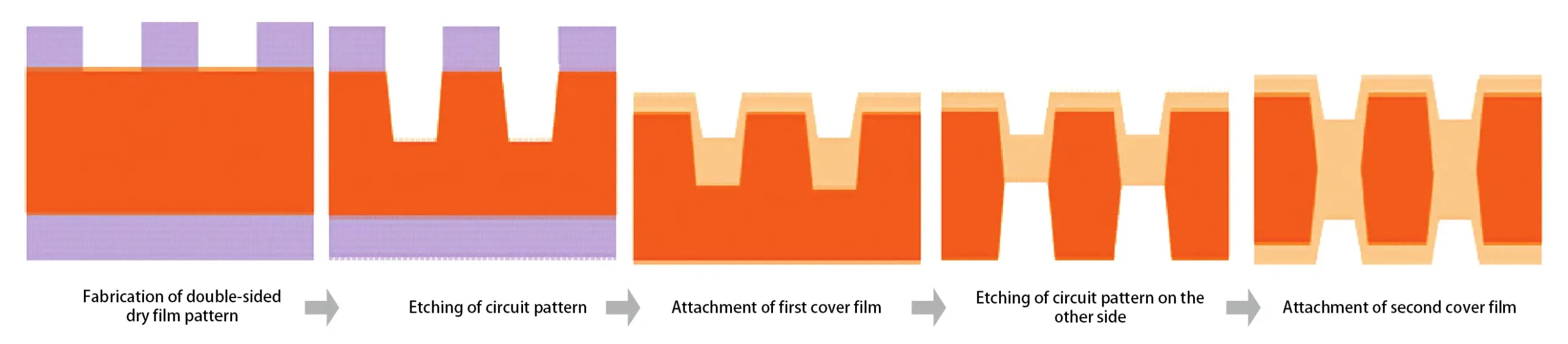
Figure 2: Fabrication process of double-sided etching for thick copper high current carrying hollow circuits
This method ensures etched circuits remain intact while minimizing the “pooling effect” and significantly enhancing the adhesion between both cover films.
Stepwise Thick Copper High-Current Circuit Fabrication
◊ Challenge Analysis
This product features a stepped circuit design (copper thickness transitions from 245 μm to 105 μm).
If the conventional process—“apply dry film → create planar dry film pattern → locally etch copper to form planar stepped copper surface → remove dry film → reapply dry film → create circuit dry film pattern → etch circuits to form stepped patterns → apply cover film”—is used, this approach risks causing etching issues where parameters for ultra-thick copper traces and standard-thickness copper traces fail to meet the etching requirements for different copper layer thicknesses, resulting in incomplete etching or over-etching.
◊ Fabrication Method
Apply dry film to both sides of the thick copper layer. Expose one side according to the stepped pattern and use etching technology to form the entire stepped copper surface.
After removing the dry film from this side, reapply a dry film that fully covers the entire surface. Expose the circuit pattern for a 105 μm copper thickness, etch to form 105 μm thick copper lines, remove the dry film, and apply the cover film.
Apply a wet film uniformly across the entire surface. Utilize the fluidity of the wet film to evenly cover both the ultra-thick copper regions and the stepped areas, avoiding issues such as wrinkles or poor adhesion that can occur with dry film application.
Expose the circuit pattern for 245 μm copper thickness, etch to form 245 μm lines, then laminate the second cover film to complete the stepped thick copper high-current line fabrication. The complete process is illustrated in Figure 3.
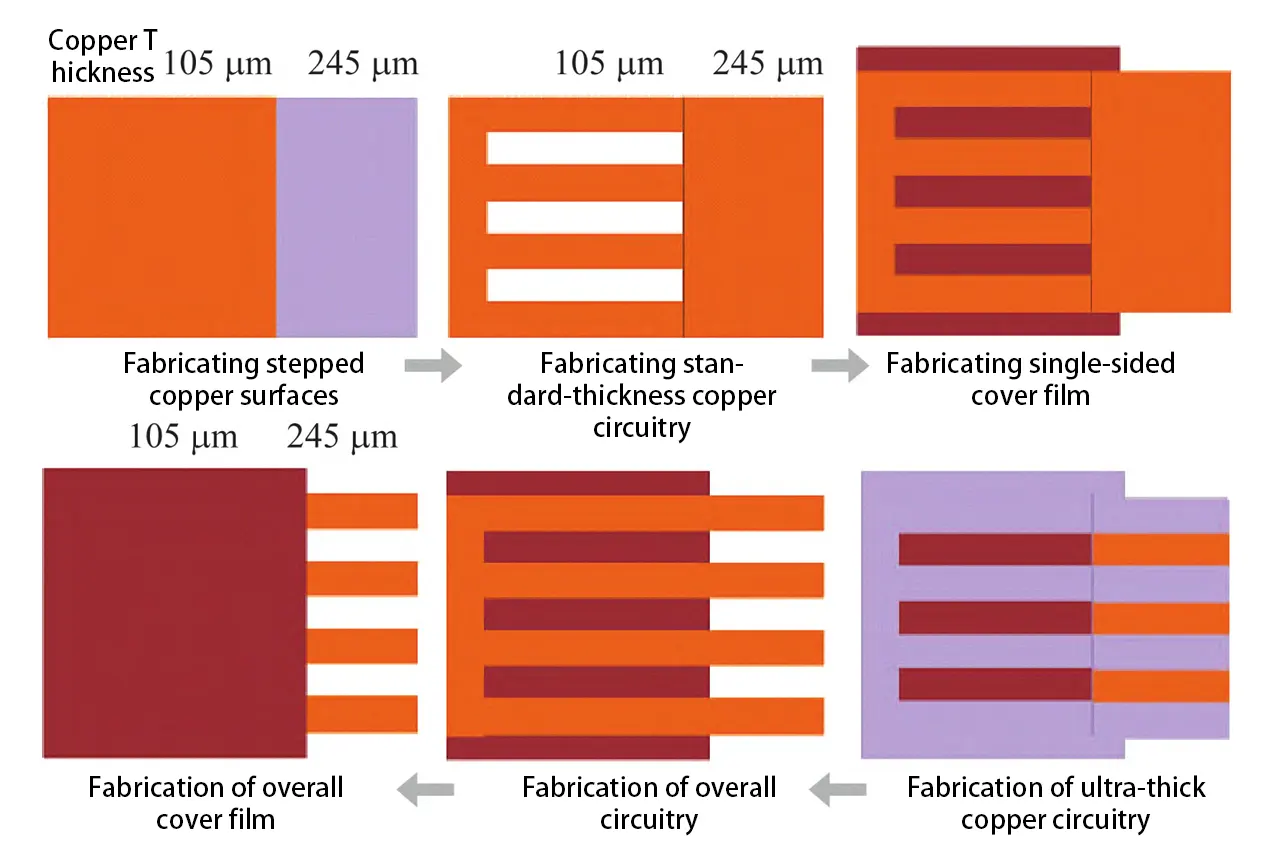
Figure 3: Fabrication process of a thick copper stepped circuit
This process effectively addresses parameter imbalances between ultra-thick copper and standard thick copper step-down circuit fabrication, preventing severe side etching and line thinning. A micro-section of the thick copper step-down circuit is shown in Figure 4.
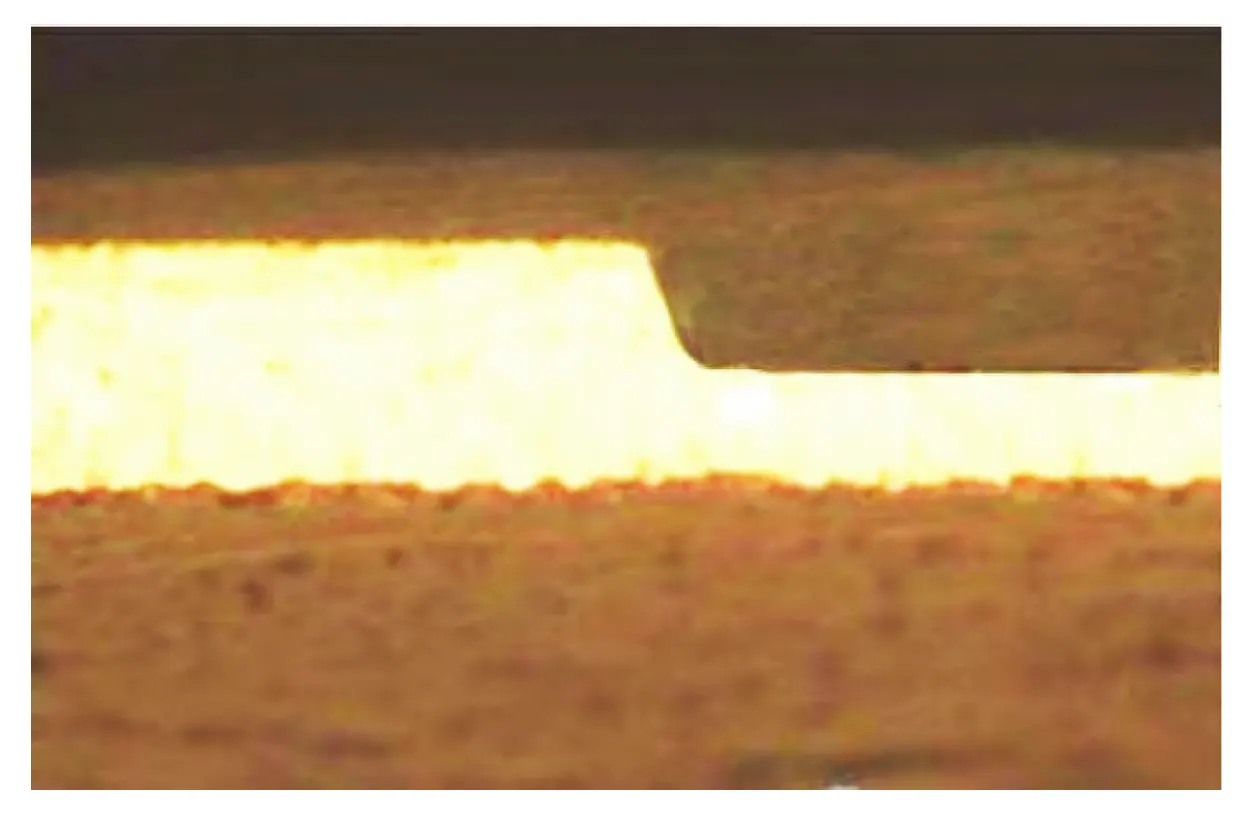
Figure 4: Microsection of ta hick copper stepped circuit
Cover Film Laminating for Thick Copper Circuit Fabrication
◊ Challenge Analysis
This product employs cover film lamination technology to manufacture thick copper independent circuits (hollow-patterned thick copper circuits). However, due to the substantial copper layer thickness, conventional cover films (polyimide-adhesive composite films) exhibit limited filling capabilities, often resulting in defects such as voids and delamination.
To address these issues, increasing the thickness of the cover film and its adhesive layer while appropriately raising the lamination temperature and pressure can be considered.
However, this approach cannot fully guarantee complete coverage. Furthermore, elevated temperature and pressure may cause over-lamination, potentially leading to circuit deformation, excessive expansion/contraction of the cover film, and other issues that could adversely affect electrical performance and flexural properties.
◊ Manufacturing Method
During the passivation treatment of one copper surface, if color difference is a concern, opt for de-passivation treatment.
De-passivation has minimal impact on the surface roughness of the copper surface, allowing subsequent lamination of the cover film.
Next, perform passivation on the second copper surface. Considering the color difference, de-passivation can also be chosen here, followed by lamination of the second cover film.
The patination process enhances the microscopic roughness of the copper surface, thereby improving adhesion between the copper and the cover film.
Effective bonding of the cover film is achieved through rapid lamination or traditional laminators operating at lower parameters. Figure 5 shows a micro-section of a thick copper flexible circuit board with a directly laminated cover film[3].
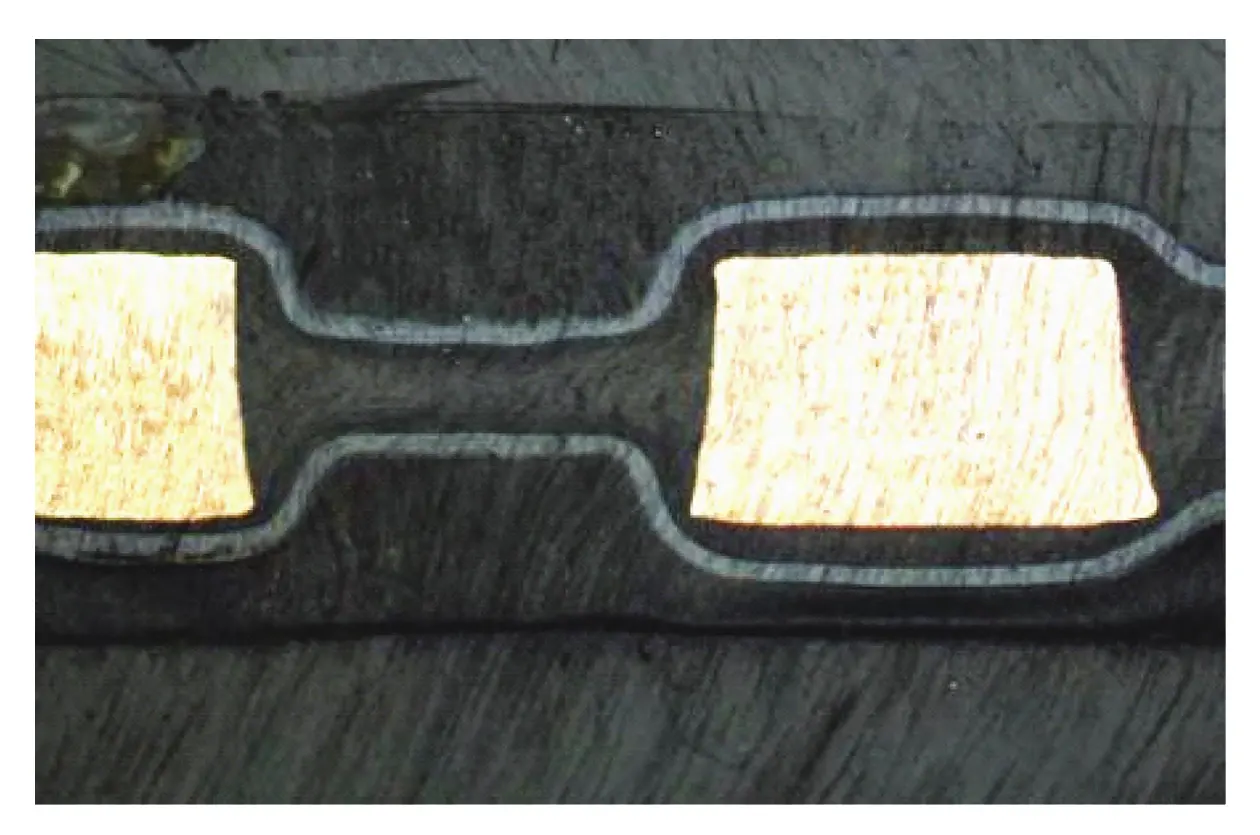
Figure 5: Microsection of the cover film directly laminated onto a thick copper flexible circuit board
Silver Paste Shield Layer Fabrication
◊ Challenge Analysis
When designing shielded FPCBs, factors like bendability and thickness must be considered. Directly adding a copper shield layer effectively increases the FPCB’s layer count, necessitating a new manufacturing process and increasing production complexity.
Additionally, for thick copper traces, a thin shield layer may cause copper mismatch issues, further complicating manufacturing.
Attaching stainless steel reinforcement sheets compromises the FPCB’s flexibility. Moreover, the “skin effect” of stainless steel reinforcement exhibits nonlinear behavior: shielding performance weakens at higher electromagnetic frequencies, resulting in poor shielding effectiveness across broader frequency bands.
Therefore, using thin stainless steel sheets for shielding broad electromagnetic frequency bands yields poor results.
◊ Manufacturing Method
After discussing with the client, the team adopted a silver paste shielding layer to achieve the desired shielding effect. They screen-printed the silver paste onto the cover film surface and then laminated two layers of cover film on top.
The cover film is made of polyimide, which has a highly inert surface, making it difficult for the silver paste layer to bond effectively. Additionally, bonding between the two layers of cover film during lamination is challenging.
Therefore, the cover film surface was first roughened using plasma treatment technology before applying the silver paste layer via screen printing. Table 4 lists the key parameters for plasma treating the cover film surface.
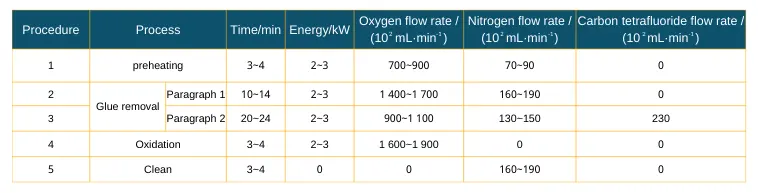
Table 4: Key Parameters for Surface Plasma Treatment of Covering Films
Considering the critical importance of flexibility for FPCBs, the screen-printed silver paste layer in this product design is specified at 15–20 μm thickness, achievable using a 120-mesh screen[4].
Testing demonstrated that printing the silver paste layer in a mesh pattern achieves excellent shielding performance while significantly improving flexural properties compared to a solid silver paste layer. Consequently, the team selected the mesh silver paste layer fabrication process. Figure 6 shows a cross-section of the fabricated silver paste shielding layer[5].
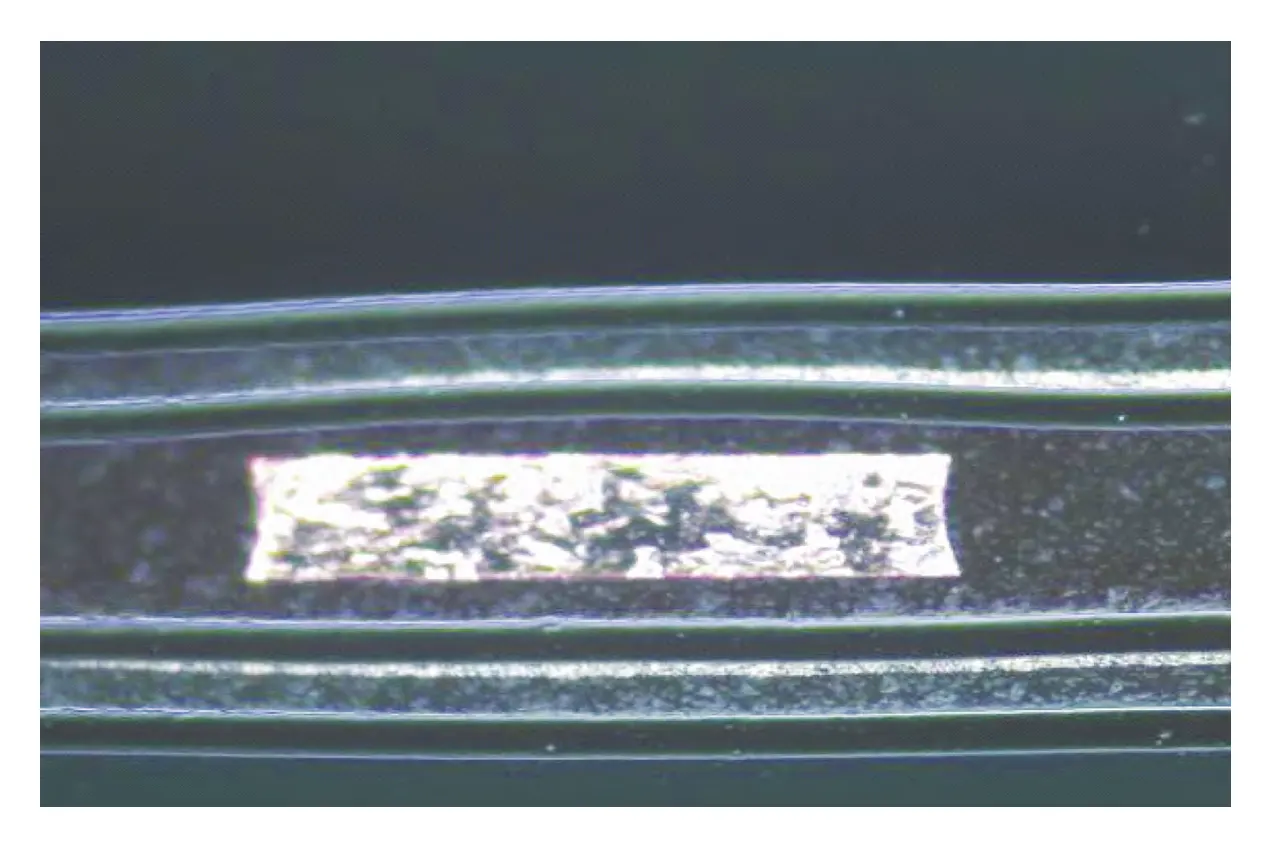
Figure 6: Cross-section of silver paste shielding layer
Product Outcomes
Finished Product Appearance and Cross-section
Through R&D of the aforementioned key technologies combined with conventional processing steps, the team established a fabrication process for high-current-carrying, high-shielding flexible circuit boards. Figure 7 shows the resulting flexible circuit board.
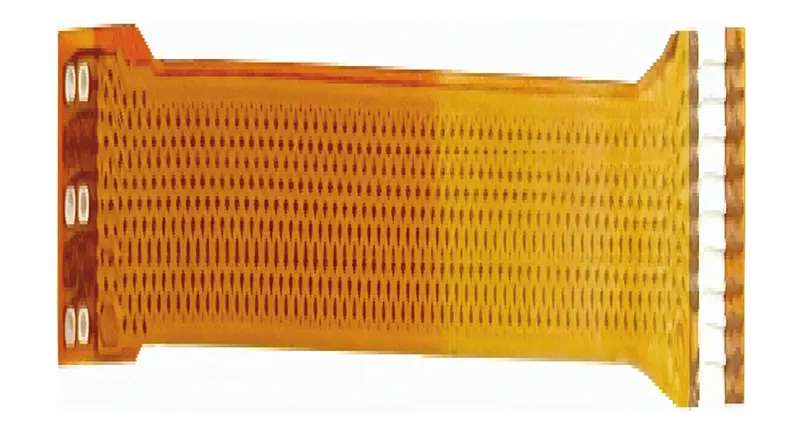
Figure 7: Appearance of the finished flexible high-current carrying and high-shielding FPCB
As shown in Figure 7, the product exhibits a good appearance with no visible defects. Figure 8(a) shows the micro-section observation of the thick copper stepped circuit area.
Fig 8(a) demonstrates that the stepped traces are well fabricated with adequate surface coating. Fig 8(b) shows the micro-section analysis of the trace at the 105 μm position.
Figure 8(b) indicates that both the trace fabrication and surface shielding layer are of high quality.
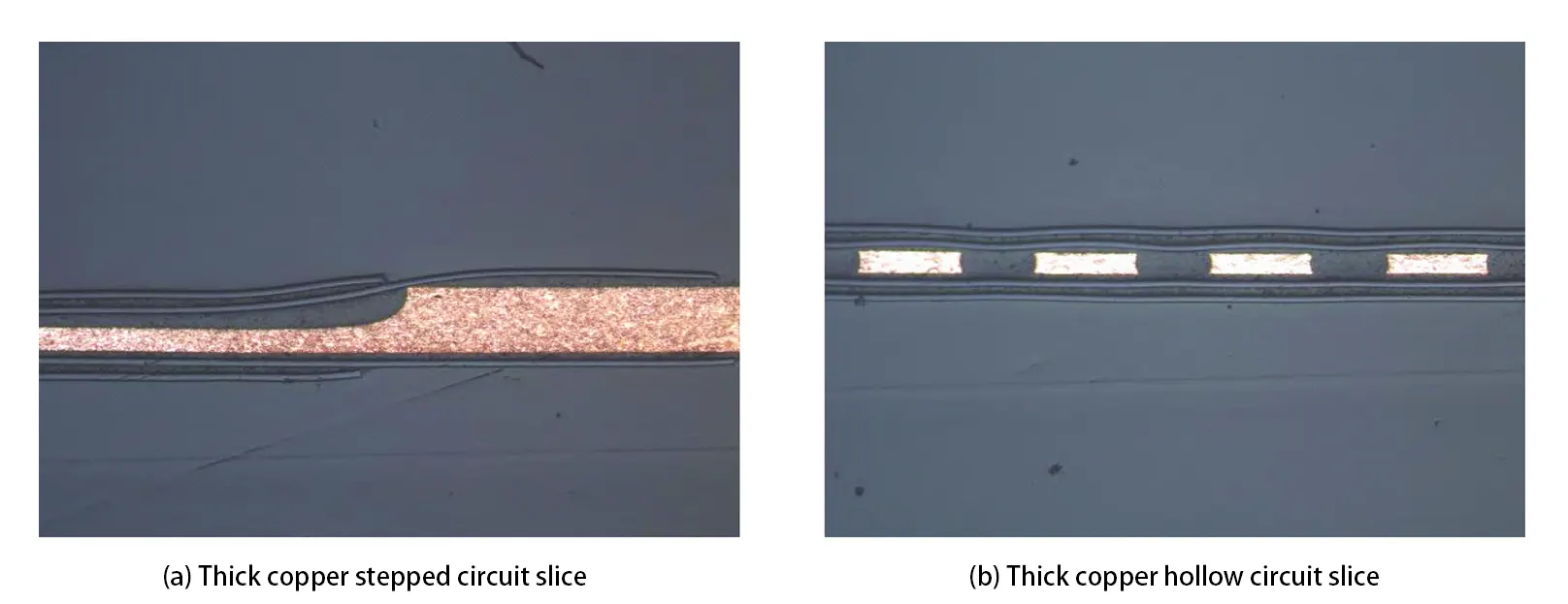
Fig 8: Cross-section of flexible high-current carrying, high shield FPCB
Test Results
Third-party testing confirmed that all performance metrics met the specifications. See Table 5.
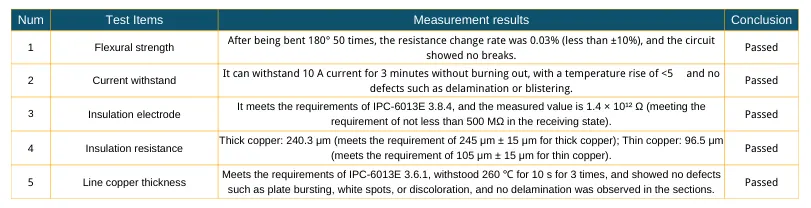
Table 5: Test Methods for Performance Indicators and Applicable Authoritative Standards
Conclusion
The study investigated a manufacturing method for flexible high-current-carrying, high-shielding FPCBs with a stepped copper thickness transition from 245 μm (7 oz) to 105 μm (3 oz) while maintaining qualified shielding performance[6]. This research achieved breakthroughs in the following key technologies:
(1) Fabrication of thick copper high-current hollow lines: Employed a process sequence of “etching half the copper thickness → laminating the cover film → etching the remaining half of the copper thickness.”
(2) For manufacturing stepped thick copper high-current lines, the process involves: first creating the stepped pattern on the front copper layer, then forming the 105 μm copper line pattern, followed by wet film coating, and finally forming the 245 μm copper line pattern to complete the full stepped thick copper line structure.
(3) To cover and fill thick copper traces with cover film, the process applies a first cover film layer, passivates the copper traces, and then applies a second cover film layer.
(4) Silver paste shielding layer fabrication involves plasma treatment of the FPCB surface, followed by separate silver paste layer formation, and finally lamination of two layers of cover film.
Author: Wang Wenjian
References
- [1] Lin Jindou, Liang Zhili, Wu Ningbiao, et al. Advanced Technologies in Modern Printed Circuits [M]. Shanghai: Printed Circuit Information Press, 2009: 340-350.
- [2] Luo Gang, Wang Wenjian, Yin Zhiliang. A Method for Fabricating Thick Copper Hollow Gold Finger Connector Circuits: ZL202010180804X[P]. 2020-06-30.
- [3] Luo Gang, Wang Wenjian, Yu Bingji. A Method for Fabricating Step-Type Flexible Circuit Boards: ZL202010180794X[P]. 2020-06-22.
- [4] Wang Yifeng, Liu Xingwen, Ma Zhongyi, et al. Development of a Thick Copper Rigid-Flex Printed Circuit Board [J]. Printed Circuit Information, 2009(5):35-39.
- [5] Lu Shuyuan, Gao Ming, Hou Wei, et al. Design and Laminating Process Exploration of Ultra-Thin Cover Film for Double-Sided Thick Copper FPCBs [J]. Printed Circuit Information, 2018(Supplement 2):478-482.
- [6] China Electronic Circuit Industry Association. T/CPCA 1001—2022. Electronic Circuit Terminology [S]. 2022.
Free Copyright