How FPC Fingerprint Sensors Work: 5 Expert Tips
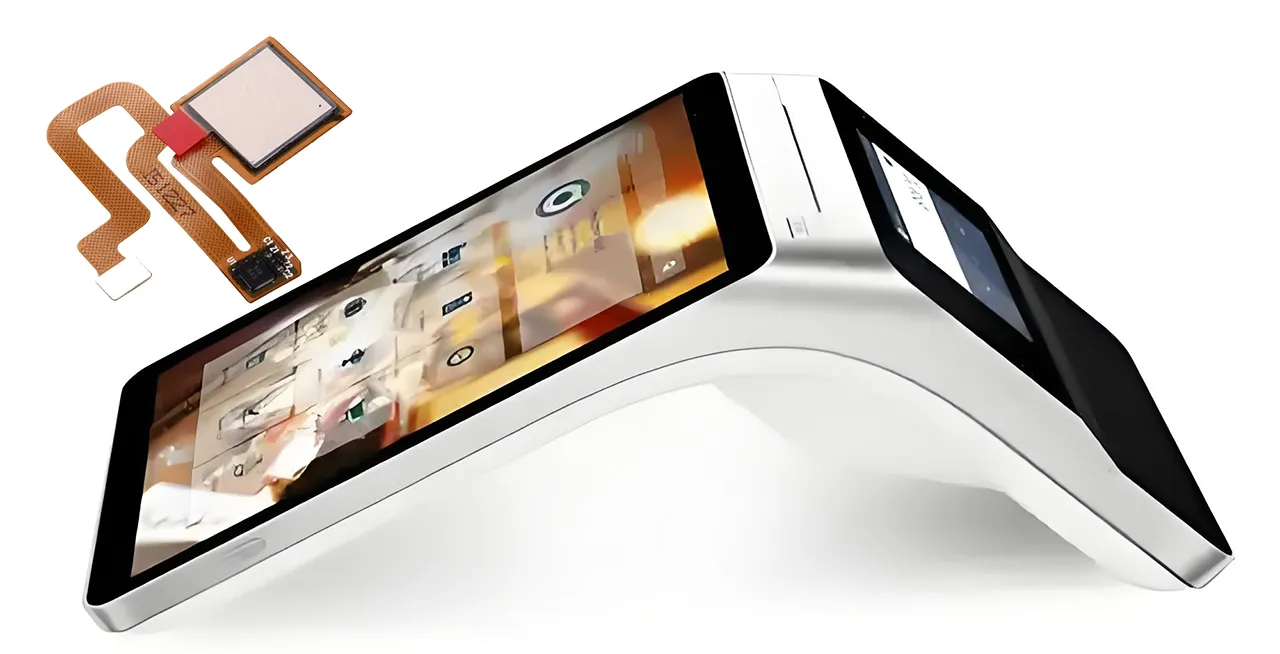
Introduction: The Evolution of FPC Fingerprint Sensors
Fingerprint recognition has improved a lot. It has changed from early capacitive sensors to today’s thin and high-performance biometric modules. Among all fingerprint recognition technologies, FPC (Fingerprint Cards) sensors are notable. People recognize them for their accuracy, ease of integration, and advanced signal processing capabilities.
This guide explains how FPC fingerprint sensors work. It also helps you choose the right one for your needs. You will find five expert tips to improve their performance. Additionally, there is a look at what is to come in biometric authentication technology.
How does it work?
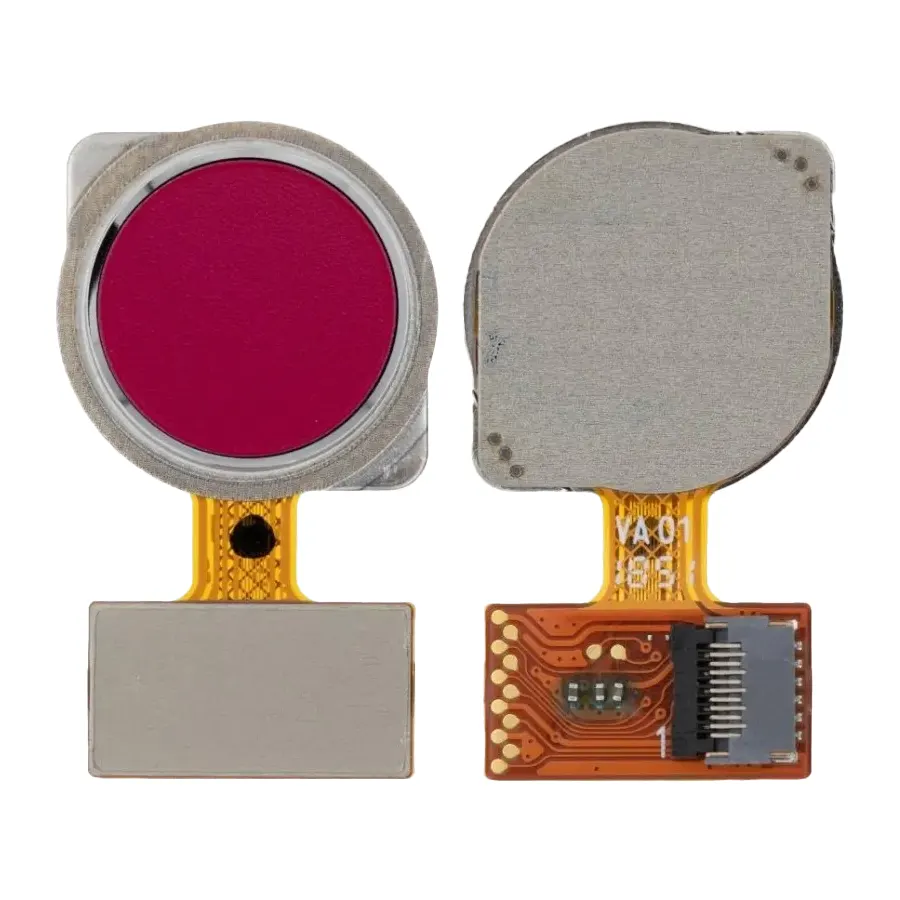
FPC sensors primarily use reflection-based capacitive sensing, known as Echo Sensing. Unlike traditional capacitive sensors, which measure finger contact, Echo Sensing sends out a signal. This signal reflects off surfaces, allowing the sensor to “see through” materials like 300μm glass. This makes it ideal for use under displays or in harsh environments.
Key Advantages of Echo Sensing:
- Penetrates up to 300μm of hardened glass (vs <50μm in traditional sensors)
- Withstands -40°C to +85°C environments
- Enhanced ESD resistance: up to ±30kV
- Improved performance on dry, wet, or oily fingers
5 Expert Tips
Tip 1: Match Sensor Type to Your Use Case
Selecting the appropriate FPC sensor model for your application can significantly enhance performance and lower costs. Below is a comparative summary of the top models:
| Model | Ideal Application | Thickness | Interface | Key Features |
|---|---|---|---|---|
| FPC1020 | Smart locks, POS | 1.1 mm | SPI | 30kV ESD, cost-effective |
| FPC1268 | Smartphones, foldable devices | 0.7 mm | SPI/UART | OLED-compatible, glass-through sensing |
| BM-LITE | Automotive, BMS | 1.4 mm | UART | Waterproof (IPx7), industrial-grade -40°C~85°C |
Pro Tip: Match the sensor thickness and interface type with your product’s design early in the development process.
Tip 2: Optimize Sensor-to-Controller Communication
FPC sensors commonly use SPI or UART interfaces. Selecting and configuring the proper protocol can prevent latency issues or data corruption.
- SPI: Recommended for fast response applications. Use a clock frequency of 10 MHz for a read time of less than 0.3 seconds.
- UART: When using soft serial, limit the baud rate to ≤9600bps to avoid data loss or misalignment.
Avoid this trap: Ensure your firmware handles flow control effectively in noisy environments. This is important for embedded Linux or RTOS platforms.
Tip 3: Design with EMI and ESD Immunity in Mind
Flexible circuit boards (FPCs) introduce new EMC challenges. To ensure robust performance:
- Double-layer copper shielding: Apply 1oz copper foil on both sides of the flex layer.
- Star-grounding topology: Keep grounding impedance <10mΩ to reduce noise loop interference.
- Substrate choice: Utilize high-performance PI films, such as those from Sumitomo, for enhanced triple bend-cycle durability.
Note: These design measures improve noise immunity by up to 30dB, ensuring reliable operation even in high-RF environments.
Tip 4: Implement Advanced Fingerprint Algorithms
FPC’s sensor modules support next-gen features beyond static matching:
- EvoTouch™ Dynamic Calibration: Automatically updates templates every 24 hours to adapt to changes in finger surface (such as peeling or oils).
- RF Liveness Detection: Sends out a 13.56 MHz signal to pass through the skin. This checks if the skin is genuine and prevents fake silicone from deceiving the system.
Security Boost: FAR (False Acceptance Rate) can be improved to 1 in 500,000 with adaptive AI-based modeling.
Tip 5: Run Rigorous Production Testing
Mass production introduces new variables that can compromise performance. Keep the following in check:
- Protective film thickness: Use laser profilometry to ensure a tolerance of ±5 μm.
- Aging simulation: Perform 85°C/85%RH stress tests for 1000 hours to validate sensor signal stability.
- High-speed routing rules: Maintain spacing ≥ 3×trace width between power and signal traces to reduce crosstalk.
Bonus: What’s Next in FPC Fingerprint Tech?
1. OLED Integration Without Polarizers
FPC’s new ultra-thin sensor is just 0.3mm thick. You can place it directly into OLED displays. This boosts light transmittance by 40%. It is perfect for foldable phones and phones without bezels.
2. Automotive Integration
FPC sensors are now replacing traditional harnesses in Tesla’s BMS systems, improving accuracy to ±0.5mV. In-vehicle payment and identity modules are also emerging.
3. Post-Quantum Security
FPC is experimenting with quantum-encrypted fingerprint templates based on NIST’s post-quantum cryptography protocols. This will dramatically enhance resistance to brute-force attacks.
Conclusion: Build Smarter Biometric Systems
FPC fingerprint sensors deliver unmatched precision, flexible integration, and future-ready biometric capabilities. Whether you’re designing smart consumer products or industrial control systems, optimizing sensor selection, layout, and testing can unlock new levels of security and reliability.
Looking to integrate an FPC fingerprint solution into your next project? Gekun’s expert engineering support and advanced FPC manufacturing can help you get to market faster, with confidence.
Learn about others
What is the Sensor? https://en.wikipedia.org/wiki/Sensor
What is the Image sensor?: https://en.wikipedia.org/wiki/Image_sensor
FAQ:
1. What is an FPC fingerprint sensor and how does it work?
An FPC fingerprint sensor (from Fingerprint Cards) uses reflection-based capacitive technology called Echo Sensing. Instead of measuring direct contact like traditional sensors, it sends out a signal and analyzes the reflection — allowing it to sense fingerprints through up to 300 μm of glass, even under harsh or dirty conditions (dry, wet, or oily fingers).
2. What are the advantages of Echo Sensing compared to traditional capacitive sensors?
Echo Sensing offers several key benefits:
Penetrates 300 μm hardened glass (traditional: <50 μm)
Operates in -40°C to +85°C environments
High ESD immunity up to ±30 kV
Better performance with moisture, oil, and surface contamination
These advantages make it ideal for smartphones, smart locks, automotive systems, and foldable devices.
3. How do I choose the right FPC fingerprint sensor model?
Choose based on thickness, interface, and application:
FPC1020 → Smart locks, POS systems (1.1 mm, SPI, 30kV ESD)
FPC1268 → Smartphones, foldables (0.7 mm, SPI/UART, OLED-ready)
BM-LITE → Automotive/BMS (1.4 mm, UART, waterproof)
Matching sensor thickness and communication interface early in design helps avoid mechanical conflicts and reduces development cost.
4. What communication interfaces do FPC sensors use, and how do I optimize them?
FPC sensors typically support SPI or UART:
SPI: Best for high-speed devices; use 10 MHz clock for <0.3 s response time.
UART: For low-speed systems; keep baud rate ≤9600 bps to avoid packet loss.
Make sure firmware includes robust flow control—especially important for noisy RF or embedded Linux environments.
5. What are the best design practices to ensure strong EMI/ESD performance?
For noise-immune and durable fingerprint modules:
Use double-layer copper shielding (1 oz) on both sides of the FPC
Apply star-grounding to keep ground impedance under 10 mΩ
Choose high-performance polyimide films (e.g., Sumitomo) for long bend-cycle life
These steps can improve EMC performance by up to 30 dB, preventing false readings and signal distortion.
6. What future trends are shaping FPC fingerprint sensors?
Next-generation innovations include:
0.3 mm ultra-thin sensors for full OLED integration without polarizers (ideal for bezel-less and foldable phones)
Automotive adoption, including Tesla-level BMS accuracy of ±0.5 mV
Post-quantum fingerprint security, using NIST-approved cryptographic algorithms
These advances make FPC sensors suitable for secure payments, automotive identity systems, and advanced mobile biometrics.