Flex Sensors Explained: Bend Detection to Fingerprint Tech
Flex Sensors Demystified: 10 Must-Know Facts From Fingerprint Tech to Bend Detection Magic!
🔍 Intro: Why Your Next Innovation Needs Flex Sensors
Ever wondered how smart gloves track finger movements or how foldable phones measure bend angles? Meet flex sensors – paper-thin tech Changing healthcare, gaming, and security! Often mixed up with fingerprint sensors, this guide will show you their special features. The system will also answer questions like “What are flex sensors?” and “Where are they used?” Let’s dive in!
What Are Flex Sensors?
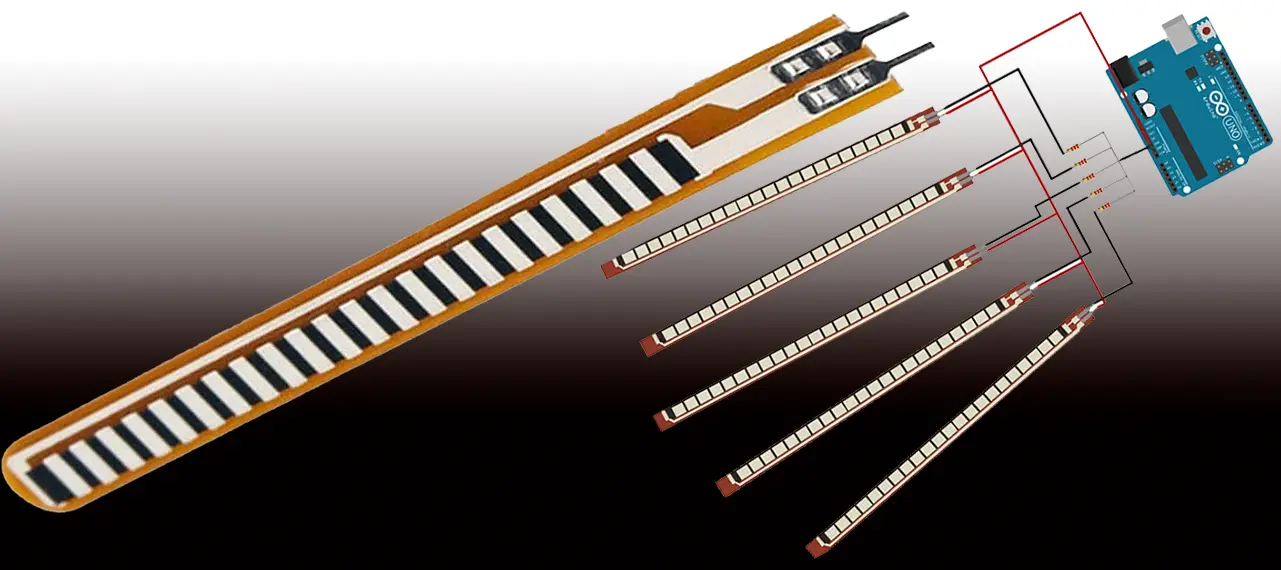
thin, flexible devices that vary their resistance when bent. This simple and effective feature helps them register physical motion, change the angle, or pressure, making them perfect for wearable devices, robotics, and even medical equipment.
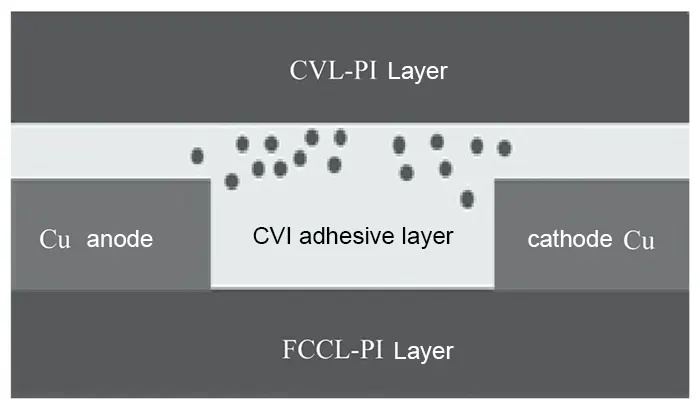
When the sensor bends, the conductive particles inside it spread apart, causing an increase in resistance. This resistance can then be measured and translated into motion or position data.
🧠 How Do Flexible Sensors Work?
A flex sensor acts like a “shape-shifting resistor.” When bent, its conductive material stretches, changing resistance. Measure this change, and voilà – you get precise bend angles!
✅ Think of it like a digital joint — it “feels” movement and sends a signal when you bend it.
Where Are Flex Sensors Used?
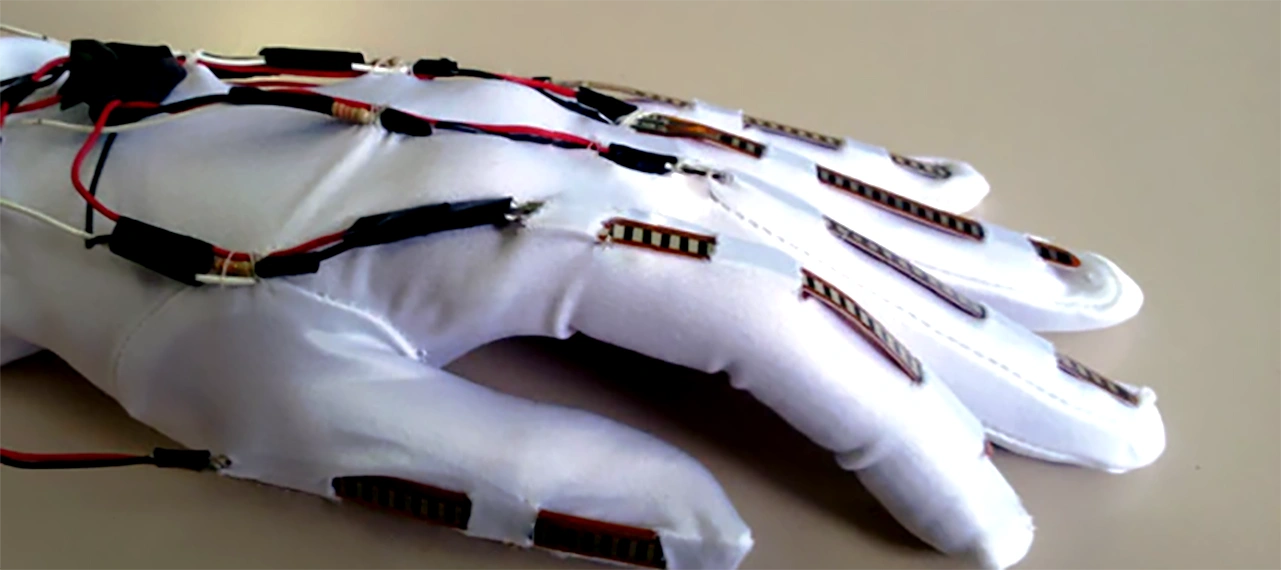
They are widely adopted in many industries. Here’s a quick look:
| Application | Use Case |
|---|---|
| Wearable Tech | Fitness bands, posture monitors |
| Robotics | Joint movement detection in robotic arms |
| Gaming Controllers | Enhanced motion sensitivity |
| Prosthetics & Biomechanics | Track limb movements in real time |
| Automotive (e.g. GM flex fuel sensor) | Monitor ethanol/gasoline blend ratios |
| Medical Devices | Glove-based health monitors, rehab tracking |
| Security Devices | FPC fingerprint sensors in access systems |
Flex Sensor vs PCB Sensor vs Fingerprint Tech
| Tech | Flex Sensor | PCB Sensor | FPC Fingerprint Sensor |
|---|---|---|---|
| Purpose | Bend angle detection | Environmental sensing | Biometric authentication |
| Key Use Case | Robotics/Healthcare | Industrial IoT | Phones/Smart locks |
| Complexity | Simple analog circuit | Custom PCB layouts | Needs FPC sensor controller driver |
>
✅ Industry hack: High-security fingerprint cards combine FPC1020 sensors (for ID checks) with flex sensors (to detect tampering).
What Is a PCB Sensor?
A PCB (Printed Circuit Board) sensor integrates sensing components directly onto circuit boards. Unlike flexible variants, these rigid sensors excel in:
- Temperature/pressure monitoring
- Gas detection
- Vibration analysis
💡 Fun fact: Some advanced sensor PCBs merge rigid and flexible sections – perfect for foldable devices!
Other knowledge to note
👉3 Deadly Flex Sensor Mistakes to Avoid
1️⃣ Ignoring calibration: Always map resistance-to-angle curves for your model.
2️⃣ Over-bending: Exceeding 90° can permanently damage conductive ink layers.
3️⃣ Wrong wiring: Use shielded cables to prevent EMI interference on sensor flexible circuits.
🔮 The Future: AI + Bend Sensors = ?
Cutting-edge bending sensors now predict arthritis risks by analyzing movement patterns. Meanwhile, MIT’s robotic “electronic skin” uses flex sensors + AI to sense pressure and pain. With the market hitting $8.7B by 2024, this tech is bending the rules of innovation!
🔌 Bonus: Flex Sensors + Fingerprint Technology?
Conclusion
FAQ:
1. What is a flex sensor and how does it work?
A flex sensor is a thin, bendable device whose electrical resistance changes when it flexes. When the sensor bends, the conductive particles inside it spread apart, increasing resistance. This resistance change is measured and converted into motion, angle, or pressure data—making it ideal for wearables, robotics, and medical devices.
2. What are the most common applications of flex sensors?
Flex sensors are used in wearable tech, robotic joints, gaming controllers, prosthetics, rehabilitation devices, automotive fuel-blend monitoring, and even biometric systems. Smart gloves, rehab trackers, and robotic arms all rely on flex sensors for precise movement detection.
3. How are flex sensors different from PCB sensors and fingerprint sensors?
Flex Sensors: Measure bend angles and motion; simple analog designs; used in robotics and healthcare.
PCB Sensors: Mounted directly on rigid PCBs; used for temperature, gas, vibration, and environmental sensing.
FPC Fingerprint Sensors: Capture biometric patterns for authentication; require specialized controller drivers.
Some modern devices combine flex sensors with fingerprint modules to enhance security and reduce space.
4. What is a PCB sensor and when is it used?
A PCB sensor integrates sensing components directly on a printed circuit board. These rigid sensors are ideal for applications requiring stability and durability, such as temperature monitoring, pressure sensing, gas detection, and vibration analysis. Advanced designs may mix rigid and flexible sections for foldable or compact electronics.
5. What mistakes should engineers avoid when using flex sensors?
Common errors include:
Skipping calibration, which prevents accurate angle mapping.
Over-bending beyond 90°, permanently damaging the conductive ink layers.
Incorrect wiring, especially failing to use shielded cables that protect bend-sensor circuits from EMI interference.
6. What is the future of flex sensors in modern electronics?
Flex sensors are increasingly paired with AI to analyze movement, predict health risks, and enable advanced robotic sensing. Emerging technologies like electronic skin, smart biometric cards, and ultra-thin foldable devices rely on flex-sensor innovation. As the market grows toward billions, hybrid modules combining FPC fingerprint sensors and flex sensors will drive next-gen security and wearable tech.