
Gekun: Flex PCB Assembly Services
Gekun’s Capabilities
10 years of experience. For those without much experience in custom products or in need of a reliable supplier of that product, Gekun will be an essential option for you.
What is Flex PCB Assembly?
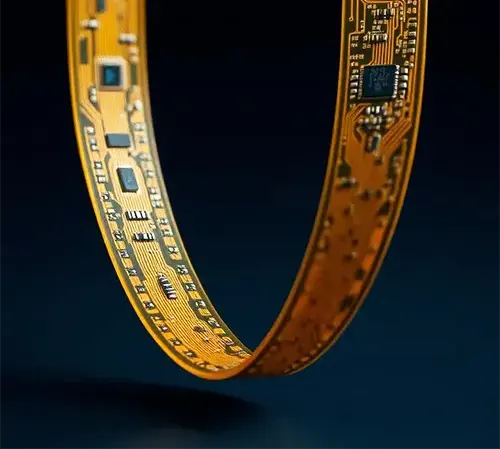
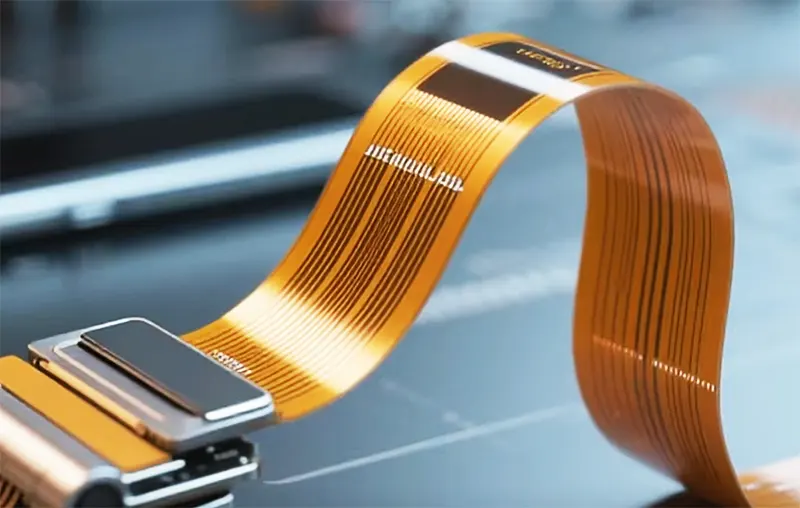
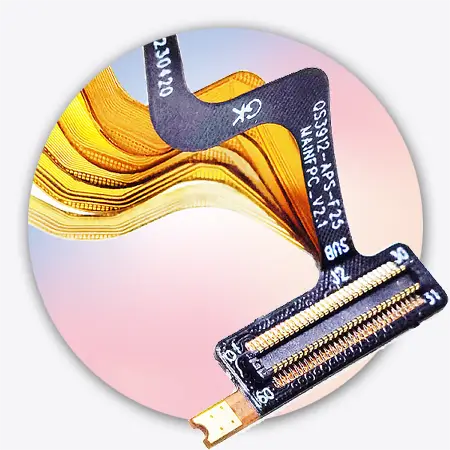
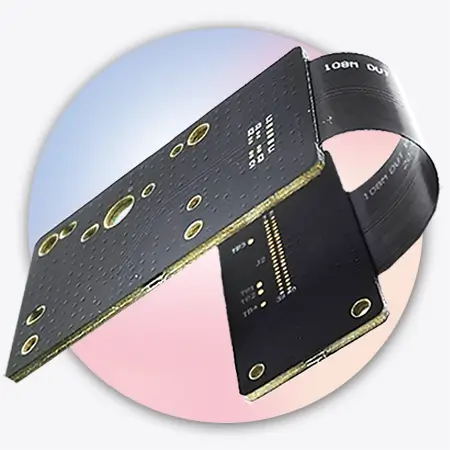
Flex PCB Assembly refers to the process of mounting and soldering electronic components onto flexible printed circuit boards (FPCBs), which are made from thin, bendable insulating substrates such as polyimide.
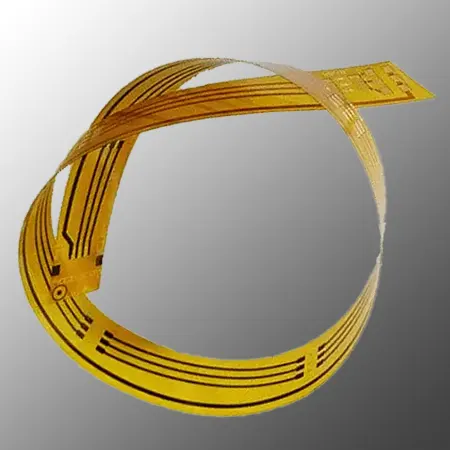
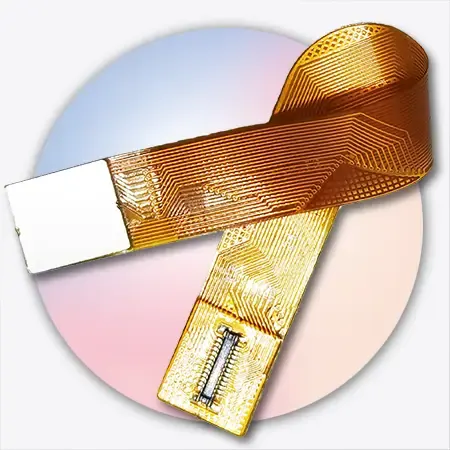
Unlike rigid PCBs, flex PCBs can be folded, twisted, or shaped to fit compact and complex product designs, making them ideal for applications in consumer electronics, medical devices, automotive systems, and aerospace equipment.
The assembly process typically involves surface-mount technology (SMT), specialized soldering methods, and dedicated fixtures to support the flexible material during production, ensuring reliable electrical connections, mechanical stability, and long-term performance.
Other related page: Mastering SMT Assembly: Advantages and Future Trends
Flex PCB Materials and Structures
Design Rules and Engineering Considerations
Flex PCB Assembly and Soldering Processes
Performance, Reliability, and Testing
Applications Across Industries
Flex PCB in Consumer Electronics
Compact Flex PCBs Powering Modern Electronics.Flex PCB in Consumer Electronics
Flex PCBs enable compact, lightweight, and durable designs, making them essential in modern consumer electronics like smartphones and wearables.
Flex PCB in Medical Devices
Reliable Flex PCBs for Medical Precision.Flex PCB in Medical Devices
Flex PCBs provide compact, reliable, and biocompatible solutions for medical devices, supporting precise electronics in implants, monitors, and diagnostic equipment.
Flex PCB in Automotive Electronics
Durable Flex PCBs Driving Automotive Innovation.Flex PCB in Automotive Electronics
Flex PCBs offer lightweight, durable, and heat-resistant solutions for automotive electronics, enabling advanced sensors, infotainment, and powertrain systems.
Flex PCB in Wearables and IoT
Smart Flex PCBs for Connected Devices.Flex PCB in Wearables and IoT
Flex PCBs enable compact, lightweight, and durable designs for wearables and IoT devices, supporting flexible form factors and reliable connectivity.
Flex PCB in Aerospace
Precision Flex PCBs for Aerospace Excellence.Flex PCB in Aerospace
Flex PCBs provide lightweight, high-reliability solutions for aerospace applications, supporting avionics, sensors, and communication systems under extreme conditions.
Flex PCB in Industrial Equipment
Flexible Solutions, Industrial StrengthFlex PCB in Industrial Equipment
Flex PCBs deliver durable, high-reliability solutions for industrial equipment, enabling compact electronics, robust connections, and resistance to vibration and harsh environments.