Choosing the Right Flex Circuit Connector: Tips and Best Practices

Summary
Selecting the right flex circuit connector is essential for ensuring reliable electrical continuity, mechanical robustness, and efficient assembly in modern electronics.
This guide talks about the basics of connectors. It covers different types, like ZIF, FPC, FFC, and BTB. It also compares FPC and FFC connectors. Additionally, it provides details about design, materials, how they connect, environmental testing, and future trends. We include important keywords such as FPC ZIF connector, FPC vs. FFC connector, flex connector, BTT connector, HRS connector, and LIF ZIF connector. We left out any less important keywords.
Understanding Flex Circuit Connectors
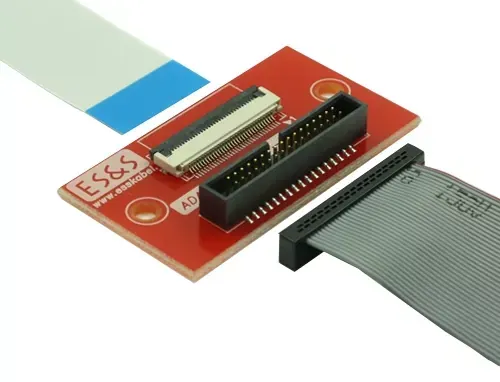
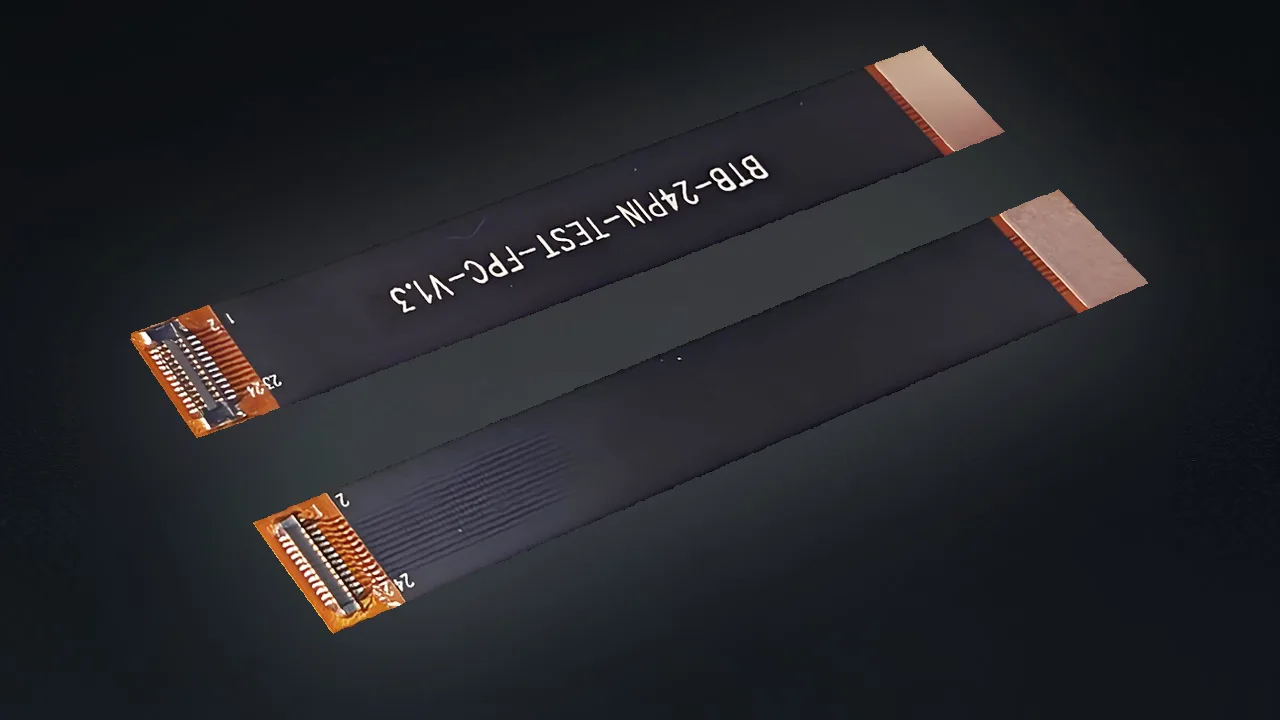
A flex circuit connector connects flexible printed circuits (FPCs) or flat flexible cables (FFCs) to rigid printed circuit boards (PCBs) or other devices. It eliminates the need for soldering or welding by using mechanical clamps or zero-insertion-force latches, thereby simplifying production and serviceability. Flex connectors support tight bend radii and high-density interconnects in compact devices like smartphones, wearables, and medical probes.
Flex connectors come in different shapes. These include vertical, right-angle, and board-to-board (BTB) types. Each type serves specific flex technologies. Key terms include FPC connector, FFC connector, ZIF connector, flex connector, FPC ZIF connector, and BTB connector. Each variant addresses unique requirements in signal integrity, mechanical endurance, and environmental resistance.
What Is a Flex Connector?
A flex connector (or flexible printed circuit connector) is an electromechanical component designed to secure and electrically connect an FPC or FFC to another board or device. Connectors use features such as:
Zero Insertion Force (ZIF) mechanisms (e.g., lif zif connector) to prevent contact damage during insertion.
Mechanical clamps or robust housings (e.g., HRS Connector) for high-reliability applications.
Surface-mount or through-hole mounting to match PCB assembly processes.
By replacing bulky wire harnesses, flex connectors contribute to space optimization, weight reduction, and design flexibility—critical for aerospace, medical, and consumer electronics marketsMorePCB.
Types of Flex Circuit Connectors
ZIF Flex Circuit Connector
ZIF Connector
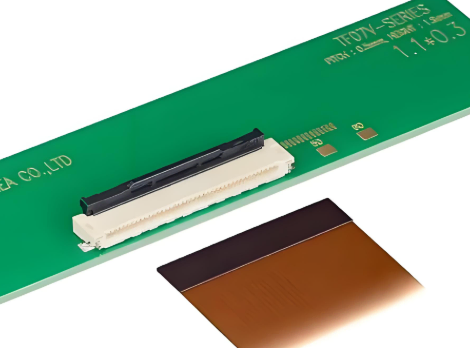
Zero Insertion Force (ZIF) connectors enable you to insert the cable with virtually no effort. A sliding latch or flip-lock then holds the FPC or FFC in place. Also called zif zero insertion force connector, a lif ZIF connector, or a ZIF type connector, these are ideal for:
Frequent mating cycles (service ports)
Delicate circuits where pad wear must be minimized
Configurable applications requiring tool-less assembly
Common names include ZIF FPC connector, ZIF FFC FPC connector, and ZIF ribbon cable connector. Typical pitches range from 0.25 mm to 1.0 mm, with various orientations (top- or bottom-contact)
FPC Connector
FPC connectors are engineered explicitly for flexible printed circuits (FPCs). They offer:
Fine pitch options (down to 0.25 mm)
Low profile heights (< 1 mm)
Variants like straight, right-angle, and dual-row configurations
Specialized battery interconnect types (e.g., FPC battery connector)
Choosing the right FPC connector footprint and pin count (like 6-pin or 34-pin) is important during PCB layout. This helps ensure proper connection and signal quality.
FFC Connector
Flat Flexible Cable (FFC) connectors accommodate ribbon-style cables with fixed conductor spacing. Differences from FPC connectors include:
Stiffer cable structure—better for static runs
Simplified cable assembly without custom circuit fabrication
Common in printers, scanners, and display modules
Often referred to as FFC cable connectors, these connectors are available in various pitches, including 0.5 mm and 1.0 mm, as well as different latch types.
Board-to-Board (BTB) Connector
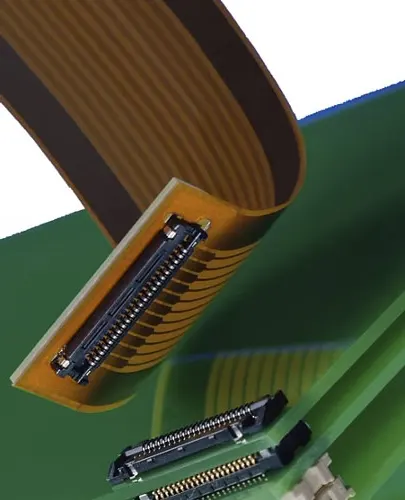
BtB Connector
While not directly connecting an FPC, BTB connectors (like mezzanine connectors) are used for rigid-flex PCB assemblies. In these assemblies, a flex tail plugs into a mating board stack-up. These high-density connectors have multi-row contacts. They also handle heat and vibration well, making them a suitable choice for a flex interface.
FPC vs. FFC Connector
Understanding the distinction helps optimize design:
| Feature | FPC Connector | FFC Connector |
|---|---|---|
| Cable substrate | Polyimide film (flex PCB) | Polyethylene or similar ribbon |
| Flexibility | High supports dynamic bending | Low—static bends only |
| Custom circuit patterns | Yes | No (straight conductors only) |
| Typical use | Touchscreens, cameras, and medical sensors | Printers, scanners, LCD modules |
| Pitch range | 0.25 mm–1.25 mm | 0.5 mm–1.0 mm |
Choosing between FPC and FFC connectors depends on your needs. If you want custom trace routing and flexibility, choose FPC. If you prefer a simpler ribbon connection, go with FFC.
Key Considerations When Choosing a Connector
Application Requirements
Environmental: Temperature extremes, moisture, vibration—necessary for aerospace and defense.
Cycle life: ZIF connectors offer 1000+ mating cycles; standard clamps may rate 50–100.
Automated assembly: SMT-compatible variants reduce manual labor and improve throughput.
Electrical Specifications
Current & voltage: Ensure connectors handle power levels, especially for FPC connector battery applications or flex circuit cable power lines.
Signal integrity: High-speed data (LVDS, HDMI) may require controlled impedance and shielding features.
Contact plating: Gold plating resists corrosion in harsh environments.
Physical Constraints
Footprint: Match the FPC connector footprint in your CAD library before fabrication.
Height & orientation: Low-profile (< 1 mm) connectors suit space-constrained designs.
Pin count & pitch: From fpc connector 6-pin to multi-row 34-pin flex tails for complex signals.
Material & Mechanical
Housing materials: High-temperature polymers (LCP, PPS) resist reflow profiles.
Retention force: Clamps vs. latches—choose based on shock and vibration requirements.
Stiffener integration: Add local reinforcement near solder joints to reduce stress concentrations during flexing (
Reference Post: Flex-circuit Soldering & Assembly Tutorial and Notes
Benefits of Using Flexible PCB Connectors
Space Optimization
Low-profile flex circuit edge connectors enable ultra-thin device packaging, crucial in wearables and smartphones.
Weight Reduction
Using flex cable connectors instead of wire harnesses can reduce assembly weight by up to 50%. This is important for aerospace and portable medical equipment.
Design Flexibility
Dynamic bend radii and multi-axis folding allow 3D assembly configurations, unlocking new form factors in industrial automation and robotics.
Typical Applications of Flex Circuit Connectors
Consumer Electronics
Smartphones, laptops, cameras, and wearables rely on flexible PCB connectors for interconnects between display modules, touch sensors, and mainboards.
Medical Devices
Miniaturized diagnostic probes, implantable sensors, and handheld analyzers utilize FPC connectors to create biocompatible, sterilizable assemblies with reliable, high-speed signals.
Aerospace and Defense
Robust flex circuit robust connector designs withstand extreme vibration, temperature cycling, and radiation exposure in avionics and satellite systems.
Installation Guidelines & Best Practices
Align Precisely: Use fiducials and alignment pins to ensure the FPC/FFC inserts squarely.
Bend Control: Route flex cables to respect minimum bend radii—typically 10× cable thickness.
Stiffener Use: Apply stiffeners at connector ends to reduce stress on the flex tail.
Proper Latch Engagement: Verify ZIF locks are fully closed to prevent intermittent contact.
Clean Contacts: Use isopropyl alcohol to remove debris before final assembly.
Maintenance, Repair, and Troubleshooting
Contact wear: After 500+ cycles, inspect for pad damage in ZIF connectors.
Cable replacement: Keep spares of FPC connector cable assemblies to minimize downtime.
Signal loss: Often remedied by reinserting the FPC and cleaning contacts.
Housing damage: Replace cracked latch mechanisms (common in budget connectors).
Environmental and Reliability Testing
Connectors in critical applications should undergo:
Thermal cycling: −40 °C to +85 °C, 1000 cycles to simulate field conditions.
Humidity testing: 85 % RH at 85 °C for 1000 hours to evaluate corrosion resistance.
Vibration & shock: IEC 60068 profiles to confirm mechanical retention under stress.
Manufacturers like TE Connectivity, Molex, and HRS Connector provide validated test reports to support qualification processes.
Future Trends in Flex Connector Technology
Micro-pitch connectors: Down to 0.2 mm for next-gen wearables and IoT sensors.
Integrated shielding: Embedded EMI/RFI barriers for high-speed flex data lines.
Smart connectors: On-board diagnostics (e.g., wear indicators) to predict the end of life.
Bio-compatible materials: For implantable medical flex assemblies.
At Gekun, we manufacture high-reliability flexible circuit boards that leverage high-precision flex circuit connectors to enhance product quality, longevity, and performance. By integrating ultra-fine-pitch connectors and rigorously testing every assembly, we ensure your FPC solutions withstand demanding environments and extended service cycles. Contact us for custom FPC designs, precision integration guidance, or detailed technical datasheets tailored to your application.
FAQ:
1. What is a flex circuit connector?
A flex circuit connector is an electromechanical component used to connect flexible printed circuits (FPCs) or flat flexible cables (FFCs) to printed circuit boards (PCBs). It provides a secure electrical and mechanical connection without soldering, using mechanisms like Zero Insertion Force (ZIF) or locking clamps.
2. What are the main types of flex circuit connectors?
Common types include ZIF connectors, FPC connectors, FFC connectors, and board-to-board (BTB) connectors. Each serves different applications — for example, ZIF connectors allow easy cable insertion, while BTB connectors connect rigid-flex assemblies.
3. What is the difference between an FPC connector and an FFC connector?
FPC connectors connect flexible printed circuits made from polyimide film, supporting dynamic bending and custom trace layouts.
FFC connectors, on the other hand, connect flat ribbon-style cables that are better suited for static connections in printers and displays.
4. What is a ZIF connector, and why is it important?
A ZIF (Zero Insertion Force) connector allows cables to be inserted with minimal force, preventing damage to delicate pads. It’s ideal for high-cycle or serviceable devices like cameras, laptops, and medical probes. Variants include LIF ZIF connectors and ZIF FPC connectors.
5. How do I choose between an FPC and FFC connector?
Choose an FPC connector if your design needs flexible routing, compact space, and custom circuitry. Choose an FFC connector for simple, static connections where standard ribbon cables are sufficient.
6. What factors should I consider when selecting a flex connector?
Key factors include:
Application environment (temperature, vibration, moisture)
Connector pitch and pin count
Mechanical durability (ZIF vs. clamp types)
Electrical specifications (current, voltage, impedance)
Mounting style (SMT or through-hole)
Compatibility with your PCB footprint
7. What are the benefits of using flexible PCB connectors?
Flex connectors provide space optimization, weight reduction, and design flexibility. They enable compact, lightweight, and durable interconnects—essential for modern electronics like wearables, medical devices, and aerospace systems.
8. What are common applications for flex circuit connectors?
They are widely used in consumer electronics (smartphones, cameras), medical devices (probes, sensors), and aerospace systems, where they withstand harsh conditions and maintain stable signal transmission.
9. How should I install and maintain FPC or FFC connectors?
During installation, align connectors precisely, control bend radii, and ensure latches are securely closed. For maintenance, clean contacts regularly, inspect ZIF connectors after 500+ cycles, and replace worn or damaged cables and housings.
10. What are the latest trends in flex connector technology?
Future developments include micro-pitch connectors (down to 0.2 mm), integrated EMI shielding, smart connectors with diagnostics, and biocompatible materials for medical use—enhancing performance and reliability in advanced electronics.