
Explore the Cutting – Edge World of PCB Technology!
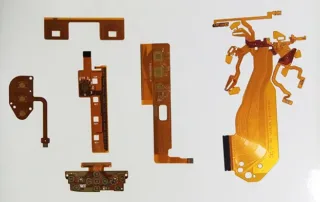
Innovative Flexible Circuit Manufacturing Using UV-Assisted Electroless Plating
The current manufacturing of flexible circuits primarily relies on traditional etching methods, conductive ink printing, and electroless copper plating technologies. While traditional etching is suitable for mass-customized circuit production, it suffers from issues such as pronounced side etching effects, complex process flows, lengthy production cycles, and environmental pollution from acid cleaning. These drawbacks make it difficult to meet the[...]
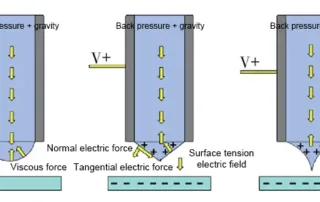
Liquid Metal Flexible Circuits: High-Reliability 3D Printed PI-Based Encapsulation Technology
Soft circuits have been a hot topic in health monitoring, biomedical, and rehabilitation diagnostics research in recent years. Traditional flexible conductors are fabricated by combining conductive fillers with stretchable elastomers. For instance, embedding nano-metal particles and ionic gels within elastomers yields conductive elastomers with excellent performance under complex strain conditions. However, the conductivity of these materials is significantly affected[...]
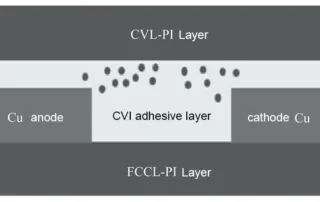
Understanding CAF Failure in Multilayer FPCBs: Mechanisms, Ion Migration, and Reliability Analysis
As printed circuit boards become increasingly multilayered and densely populated, demands for their reliability grow ever more stringent. Particularly with the multilayering of flexible printed circuits, engineers focus on product failures and malfunctions. Ion migration between different conductors causes these issues. Electrical failures resulting from ion migration exhibit highly unstable failure latency periods, posing significant challenges for managing the[...]
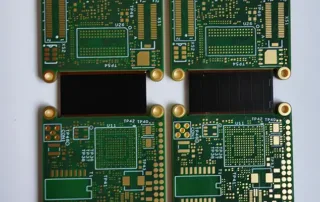
High-Frequency Rigid-Flex PCB Manufacturing: Key Process Technologies Using PTFE Materials
With the advancement of information technology, higher demands have been placed on the efficient and stable transmission of electrical signals, driving continuous upgrades in high-frequency materials. Influenced by market needs, the application and research of FPC in high-frequency fields lag behind that of PCB. Currently, the primary high-frequency materials used in FPCs are MPI, LCP, and PTFE. Among these,[...]
Carbon-Coated Film Evaluation for Reliable FCCL Copper Plating
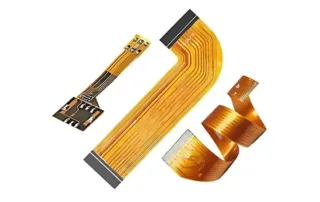
Flexible printed circuits comprise one or more layers of etched conductive material on one or both sides of a dielectric film and are widely used in smartphones, laptops, wearable devices, automotive electronics, and other fields. Flexible Copper Clad Laminate (FCCL) serves as the substrate material for flexible printed circuit boards, comprising a flexible insulating base film (typically polyimide, PI)[...]
How can FPC be made to have good resistance to bending?
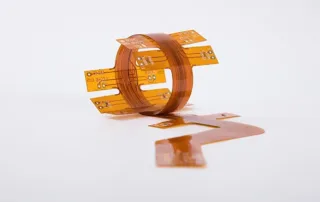
Flexible printed circuits (FPCs) are increasingly deployed in compact electronics, robotics, medical devices, and wearable systems. However, the mechanical performance requirements of a flex circuit depend fundamentally on whether the application involves static bending or dynamic bending. Understanding this distinction at the design stage determines material selection, laminate architecture, routing strategy, and mechanical constraints. “Static Bending” or “Dynamic Bending”?[...]
Liquid Metal Flexible Circuits: High-Reliability 3D Printed PI-Based Encapsulation Technology
Soft circuits have been a hot topic in health monitoring, biomedical, and rehabilitation diagnostics research in recent years. Traditional flexible conductors are fabricated by combining conductive fillers with stretchable elastomers. For instance, embedding nano-metal particles and ionic gels within elastomers yields conductive elastomers with excellent performance under complex strain conditions. However, the conductivity of these materials is significantly affected[...]
High-Frequency Rigid-Flex PCB Manufacturing: Key Process Technologies Using PTFE Materials
With the advancement of information technology, higher demands have been placed on the efficient and stable transmission of electrical signals, driving continuous upgrades in high-frequency materials. Influenced by market needs, the application and research of FPC in high-frequency fields lag behind that of PCB. Currently, the primary high-frequency materials used in FPCs are MPI, LCP, and PTFE. Among these,[...]
Carbon-Coated Film Evaluation for Reliable FCCL Copper Plating
Flexible printed circuits comprise one or more layers of etched conductive material on one or both sides of a dielectric film and are widely used in smartphones, laptops, wearable devices, automotive electronics, and other fields. Flexible Copper Clad Laminate (FCCL) serves as the substrate material for flexible printed circuit boards, comprising a flexible insulating base film (typically polyimide, PI)[...]
How can FPC be made to have good resistance to bending?
Flexible printed circuits (FPCs) are increasingly deployed in compact electronics, robotics, medical devices, and wearable systems. However, the mechanical performance requirements of a flex circuit depend fundamentally on whether the application involves static bending or dynamic bending. Understanding this distinction at the design stage determines material selection, laminate architecture, routing strategy, and mechanical constraints. “Static Bending” or “Dynamic Bending”?[...]
Enhancing FPC Insulation Performance in Ultra-Long Thick Copper Flexible Circuits
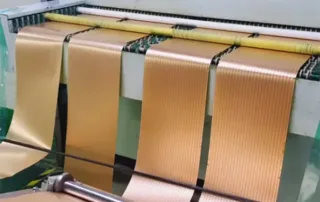
Flexible printed circuit boards (FPCs) have gained widespread adoption in consumer electronics, new energy vehicles, aerospace, and medical equipment due to their lightweight, bendable nature, and high integration capabilities. As electronic devices evolve toward higher power and density, demand for ultra-long, thick copper FPCs is growing to meet requirements for high current-carrying capacity and efficient heat dissipation. However, thick[...]
PTFE Blind Via Processing for High-Frequency FPC: Process Optimization and Insertion Los
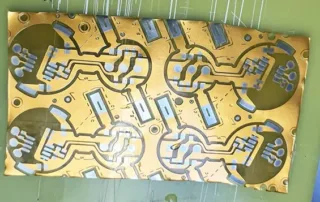
Industry Background and Technology Trends With the rapid advancement of artificial intelligence, 5G communications, and IoT technologies, electronic devices are rapidly evolving toward higher frequencies, faster speeds, miniaturization, and integration. Against this backdrop, high-frequency flexible printed circuit boards (FPCs), as critical interconnect components, face increasingly stringent performance requirements. Signal transmission integrity and low-loss characteristics have become key factors determining[...]
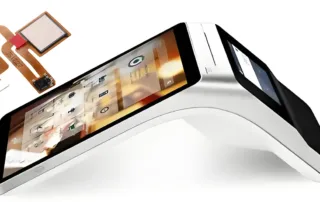
How FPC Fingerprint Sensors Work: 5 Expert Tips
Introduction: The Evolution of FPC Fingerprint Sensors Fingerprint recognition has improved a lot. It has changed from early capacitive sensors to today’s thin and high-performance biometric modules. Among all fingerprint recognition technologies, FPC (Fingerprint Cards) sensors are notable. People recognize them for their accuracy, ease of integration, and advanced signal processing capabilities. This guide explains how FPC fingerprint sensors work.[...]
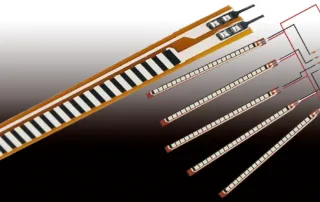
Flex Sensors Explained: Bend Detection to Fingerprint Tech
Flex Sensors Demystified: 10 Must-Know Facts From Fingerprint Tech to Bend Detection Magic! 🔍 Intro: Why Your Next Innovation Needs Flex Sensors Ever wondered how smart gloves track finger movements or how foldable phones measure bend angles? Meet flex sensors – paper-thin tech Changing healthcare, gaming, and security! Often mixed up with fingerprint sensors, this guide will show you their[...]
Understanding CAF Failure in Multilayer FPCBs: Mechanisms, Ion Migration, and Reliability Analysis
As printed circuit boards become increasingly multilayered and densely populated, demands for their reliability grow ever more stringent. Particularly with the multilayering of flexible printed circuits, engineers focus on product failures and malfunctions. Ion migration between different conductors causes these issues. Electrical failures resulting from ion migration exhibit highly unstable failure latency periods, posing significant challenges for managing the[...]
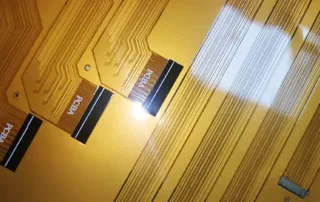
What is the PI protective film process for rigid-flex PCBs?
Rigid-flex printed circuit boards (R-FPCBs) are composite boards formed by pressing rigid and flexible layers together, combining the characteristics of both. With the advancement of the printed circuit board (PCB) industry, R-FPCBs—as a vital component of PCBs—have seen growing demand due to their high performance, integration capabilities, and versatility in three-dimensional assembly. With the rapid advancement of R-FPCB technology,[...]
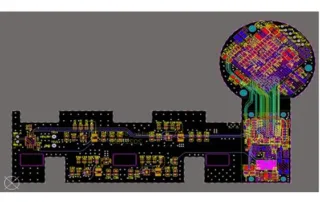
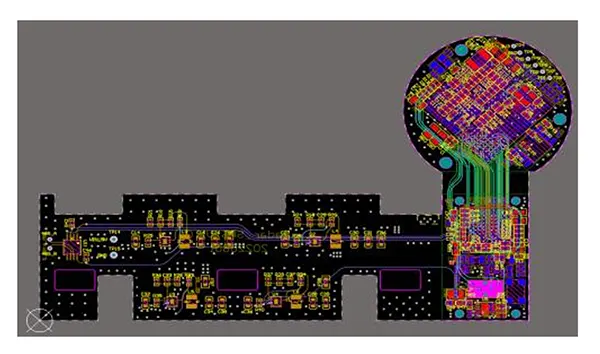
Flexible Electronics–Enabled RF Signal Processing Circuits for Miniaturized Missile Systems
With the widespread operational deployment of unmanned platforms, miniaturized, low-cost, and mass-produced munitions will become an inevitable trend in future weapons development. Therefore, designers must minimize the volume ratio of onboard electronic equipment, controlling it within 15% to 20% to reserve more space for warheads and propulsion systems. Miniaturization Challenges in Next-Generation Munitions However, traditional rigid circuit system structural[...]

Flexible Printed Circuits on Textiles via Screen Printing for Wearable Electronics
The principle of flexible electronic printing technology involves using inks with electronic functionality to fabricate electronic devices or circuits on flexible substrates through precision printing techniques. The printed circuits possess corresponding electronic capabilities. Flexible electronic printing technology holds broad application prospects in radio frequency identification (RFID) tags, sensors, thin-film transistors, supercapacitors, and other fields. Printing is a relatively low-cost[...]
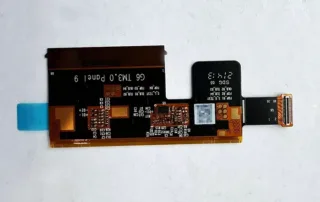
Flexible PCB: Features, Design Guide, Applications, and Benefits
Flexible printed circuit boards (flexible boards or flex PCBs) are thin, lightweight electronic interconnects designed to bend, fold, or twist to fit complex three-dimensional assemblies. Unlike traditional rigid PCBs, flexible boards are typically manufactured using polyimide or polyester substrates that provide excellent thermal stability, mechanical flexibility, and electrical insulation. This structure enables designers to reduce assembly space, eliminate bulky[...]
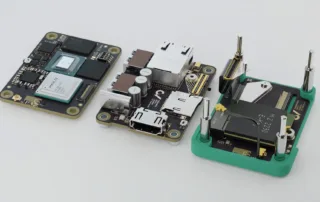
Design of Automatic Assembly Equipment for Flexible Circuit Board
Flexible printed circuits (FPCs) are circuit boards featuring a substrate made of polyimide or polyester film, coated with conductive copper foil or conductive carbon ink [1]. Owing to their compact size, excellent bendability, lightweight nature, and high reliability [2], they have become indispensable components in smart consumer electronics. As electronic products like wearables, flexible displays, and smart devices evolve[...]

Rigid PCB vs Flexible PCB Best for Your Choice in 2025
Rigid PCB vs Flexible PCB: Which Wins for Your Applications? Introduction PCBs are the nervous system of nearly all modern electronics. People can use them to create everyday items, such as wireless earbuds, and vital medical devices, like pacemakers. Prismark Research predicts that the global PCB market will reach $89.7 billion by 2027. Flexible PCB applications are expected to grow at[...]
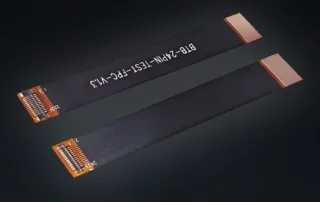
Choosing the Right Flex Circuit Connector: Tips and Best Practices
Summary Selecting the right flex circuit connector is essential for ensuring reliable electrical continuity, mechanical robustness, and efficient assembly in modern electronics. This guide talks about the basics of connectors. It covers different types, like ZIF, FPC, FFC, and BTB. It also compares FPC and FFC connectors. Additionally, it provides details about design, materials, how they connect, environmental testing, and[...]

How to choose flexible pcb?
Flexible PCB Selection Guide: Choosing Between Single, Double, Multilayer & Rigid-Flex Designs Flexible printed circuit boards (PCBs), also known as flex PCBs, feature a layer of copper sandwiched between two layers of polymer. They connect to one or more rigid PCBs using through-hole technology. Choosing the right form factor is essential. You can choose from single-sided, double-sided, multilayer,[...]
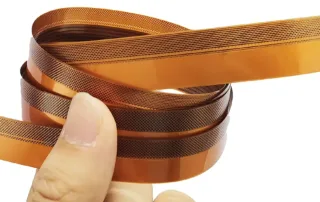
Choosing the Right FPC Cable for Your Application
When selecting an FPC cable, understanding the specific parameters and use-case requirements is critical. Unlike rigid PCBs, designers tailor the varying specifications of FPC cables precisely for each device. What Is an FPC Cable? FPC Cables, como circuitos impresos flexibles, son impresos en un sustrato aislante flexible como el poliéster o la poliimida, donde se graban senderos conductores como el[...]
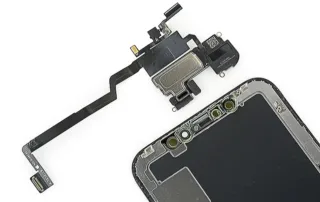
What is FPC in Mobile? (FAQ Guide)
FPC in mobile phones refers to flexible printed circuits (FPCs). These flexible circuits are essential components in modern mobile devices, offering a lightweight and compact alternative to traditional wiring. The more compact, lighter, and slimmer design makes them beneficial for smartphone users. They help deliver high performance and efficient power. Learn more about the other page! 1. What does FPC refer to in mobile[...]
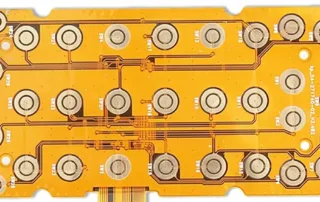
Unlocking the Future of Electronics: How Flexible PCB Buttons Are Changing Device Design
Unlocking the Future of Electronics: How Flexible PCB Buttons Are Changing Device Design Summary: Manufacturers create flexible PCB buttons from flexible printed circuit boards. They use very thin copper layers and high-quality dielectric materials. This design allows for slim, high-density PCBs in today’s compact electronic products. By using advanced flex circuits instead of rigid circuit boards, manufacturers get better durability.[...]
Innovative Flexible Circuit Manufacturing Using UV-Assisted Electroless Plating
The current manufacturing of flexible circuits primarily relies on traditional etching methods, conductive ink printing, and electroless copper plating technologies. While traditional etching is suitable for mass-customized circuit production, it suffers from issues such as pronounced side etching effects, complex process flows, lengthy production cycles, and environmental pollution from acid cleaning. These drawbacks make it difficult to meet the[...]
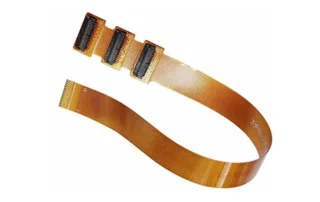
What is the Class-Wire Harness Flexible PCB Manufacturing Technology?
In recent years, the rapid development of high-end industries such as intelligent connected vehicles and low-altitude aircraft has driven continuous innovation in flexible printed circuit boards (FPCBs). In traditional automotive applications, certain wiring and distribution functions rely on wire harnesses, as illustrated in Figure 1. Conventional wire harnesses feature a structure where copper wires are encased in plastic insulation[...]
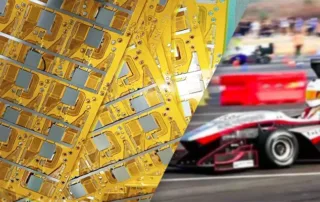
How Flexible PCBs Power Formula Student Race Cars: Design and Applications
Flexible Printed Circuits (FPC) have emerged as an ideal alternative to traditional wiring harnesses in the electrical systems of Formula Student China race cars due to their lightweight, bendable nature, and high-density wiring capabilities. Within the confined cabin space of FS vehicles, the electrical system faces dual technical challenges: ensuring operational reliability while optimizing spatial layout. This is particularly[...]
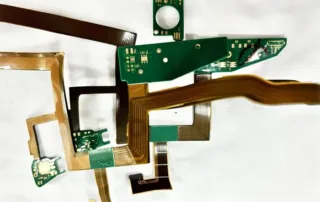
Flexible Coating Materials in Circuit Board Manufacturing
Flexible coating materials play an increasingly critical role in the modern circuit board industry as electronic products continue to evolve toward higher density, lighter weight, and greater mechanical reliability. From flexible printed circuits (FPCs) to rigid-flex and high-reliability PCBs, these materials are widely applied to protect conductive traces, enhance environmental resistance, and maintain electrical performance under repeated bending, vibration,[...]
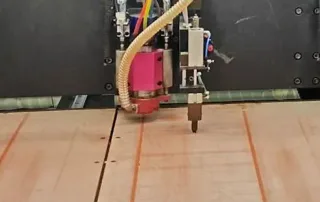
Optimization of Flexible PCB Materials Micro-Drilling
Flexible Printed Circuit Boards (FPCBs), commonly referred to as flexible boards, are highly reliable printed circuit boards with exceptional flexibility, manufactured using polyimide or polyester film as the substrate material. Compared to rigid circuit boards, flexible boards offer inherent flexibility and advantages such as ease of bending, lightweight construction, and thin profile. Structurally, flexible boards are formed by bonding[...]
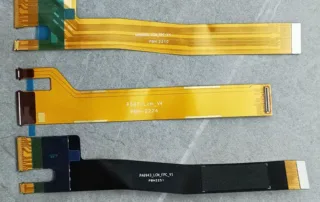
Flex PCB Manufacturing Explained: Materials, Layup Structures, and Production Processes
Printed Circuit Boards (PCBs) are the foundational building blocks of modern electronic systems, providing both electrical interconnection and mechanical support for electronic components. As electronic products continue to evolve toward higher density, thinner profiles, and more complex functional integration, PCB technologies have diversified to include rigid, flexible, and rigid-flex structures. Each PCB type employs carefully selected materials—such as copper[...]