
Flex PCB Manufacturing Process Explained?
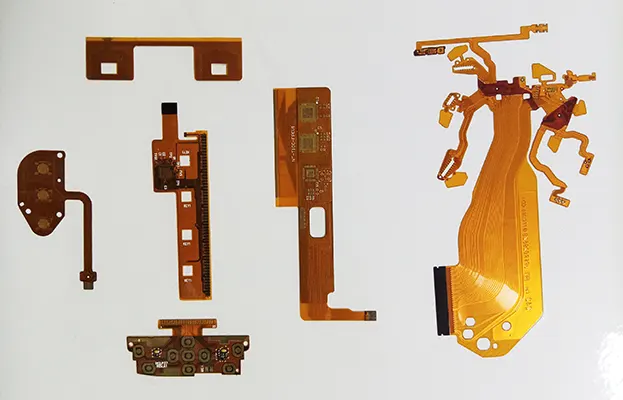
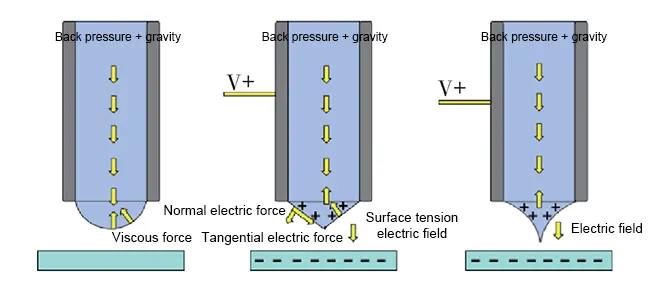
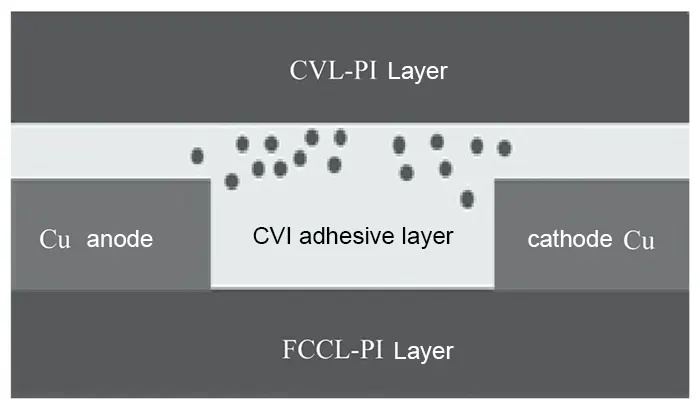
Flex PCBs (Flexible Printed Circuit Boards) have become increasingly popular in the electronics industry due to their ability to be bent, twisted, and folded to fit into tight spaces that rigid PCBs cannot.
Understanding the manufacturing process of Flex PCBs is essential for electronic engineers with FPCB background experience.
FPCB Manufacturing Process
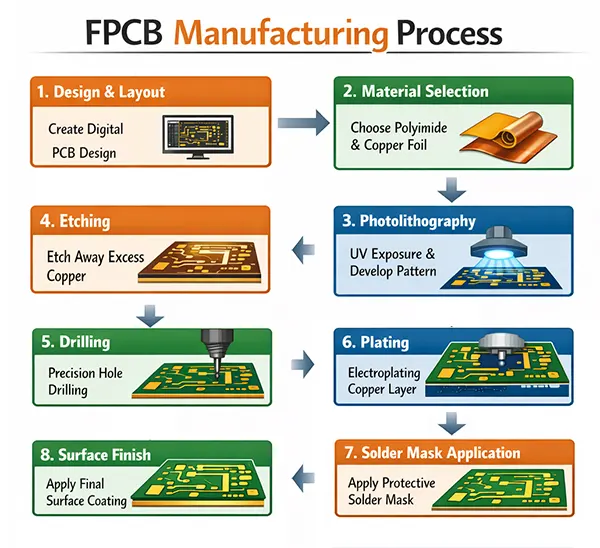
FPCB Manufacturing Process
Step 1: Design and Layout
The first step in the Flex PCB manufacturing process is the design and layout phase. Engineers create a digital design of the Flex PCB, specifying the dimensions, components, and traces. This design is crucial as it serves as the blueprint for the entire manufacturing process.
Step 2: Material Selection
Next, material selection determines the Flex PCB structure, with flexible substrates such as polyimide providing resistance to bending and stretching. Copper foils offer excellent conductivity and strong adhesion to the substrate.
Step 3: Photolithography
During the photolithography process, a light-sensitive photoresist coats the substrate. The digital design from step 1 is transferred onto the photoresist using UV light and a photomask. The areas exposed to light are chemically etched away, leaving behind the desired traces on the Flex PCB.
Step 4: Etching
After photolithography, the Flex PCB undergoes an etching process to remove the excess copper from the substrate. The etchant chemical dissolves the unwanted copper, leaving only the traces behind. This step is crucial for ensuring the conductivity of the Flex PCB.
Step 5: Drilling
Precision drilling creates small holes in the Flex PCB to accommodate components, connectors, and vias, ensuring accurate placement in accordance with the design specifications. Copper plating then forms conductive vias that establish electrical connections between different layers of the Flex PCB.
Step 6: Plating
Step 7: Solder Mask Application
Manufacturers apply a solder mask to the Flex PCB to insulate the traces and prevent solder bridges during component assembly. The solder mask also protects the Flex PCB from dust, debris, and other contaminants that could affect its performance.
Step 8: Surface Finish
The final step in the Flex PCB manufacturing process is surface finishing. This involves applying a coating to the Flex PCB to protect it from oxidation, improve solderability, and enhance overall durability. Common surface finishes include ENIG (Electroless Nickel Immersion Gold) and HASL (Hot Air Solder Leveling).
FPCB Market Growth — Data and Forecast
The global FPCB market has been expanding steadily, driven by demand for miniaturized and flexible electronics. According to industry analysts, the market was valued at ~USD 15 billion in 2020 and is projected to reach ~USD 27 billion by 2025, with a compound annual growth rate (CAGR) of 12.6%.
| Year | Global FPCB Market Value (USD Billion) | CAGR (%) |
|---|---|---|
| 2020 | 15 | 12.6 |
| 2021 | 16.8 | 12.6 |
| 2022 | 18.9 | 12.6 |
| 2023 | 21.2 | 12.6 |
| 2024 | 23.9 | 12.6 |
| 2025* | 27 | 12.6 |
Typical FPCB Performance Metrics
Industry Technical Specifications & Typical Values
Flexible PCB performance metrics are documented in industry sources, including typical FPCB parameter tables:
Bend Radius ~1 mm, Thermal Stability up to ~250 °C, Tensile Strength >150 MPa, Adhesion Strength >1 N/mm², and High Electrical Conductivity (low resistance) are industry-recognized typical values for FPCBs.
Design Standards & Parameter Guidelines
IPC-based manufacturing guides and technical specifications elaborate on core mechanical and electrical parameters:
Minimum bend radius and dynamic vs. static bend considerations, tensile requirements for polyimide film (≥150 MPa), and adhesion requirements are defined in flexible board design guides and IPC-6012/IPC-6013-level references.
Flexibility and Bend Mechanics
Engineering tutorials and design literature explain the significance of bend radius and its dependency on board thickness and flex layer structure:
The minimum bend radius is derived from material strain limits and thickness, influencing reliability under repeated flex cycles.
Thermal & Mechanical Behavior
FPCB materials like polyimide have documented thermal resistance that supports high-temperature soldering processes and environmental exposure:
Polyimide substrates in flexible circuits are widely used for their high thermal performance, enabling operation across elevated temperatures and demanding conditions.
| Parameter | Typical Value |
|---|---|
| Bend Radius | ~1 mm |
| Thermal Stability | Up to ~250 °C |
| Tensile Strength | >150 MPa |
| Adhesion Strength | >1 N/mm² |
| Electrical Conductivity | High |
Conclusion
In conclusion, the manufacturing process of Flex PCBs is a complex and intricate procedure that requires careful planning, precise execution, and attention to detail.
Electronic engineers with FPCB background experience must have a solid understanding of each step involved in the manufacturing process to ensure the production of high-quality Flex PCBs.
By following the steps outlined in this article, engineers can successfully navigate the manufacturing process of Flex PCBs and contribute to the advancement of flexible electronics in the industry.
References
1. [Flexible Circuit Technology by Joe Fjelstad](https://www.flexiblecircuittechnology.com)